West Asia on the Brink: Netanyahu and Modi Discuss Regional Tensions
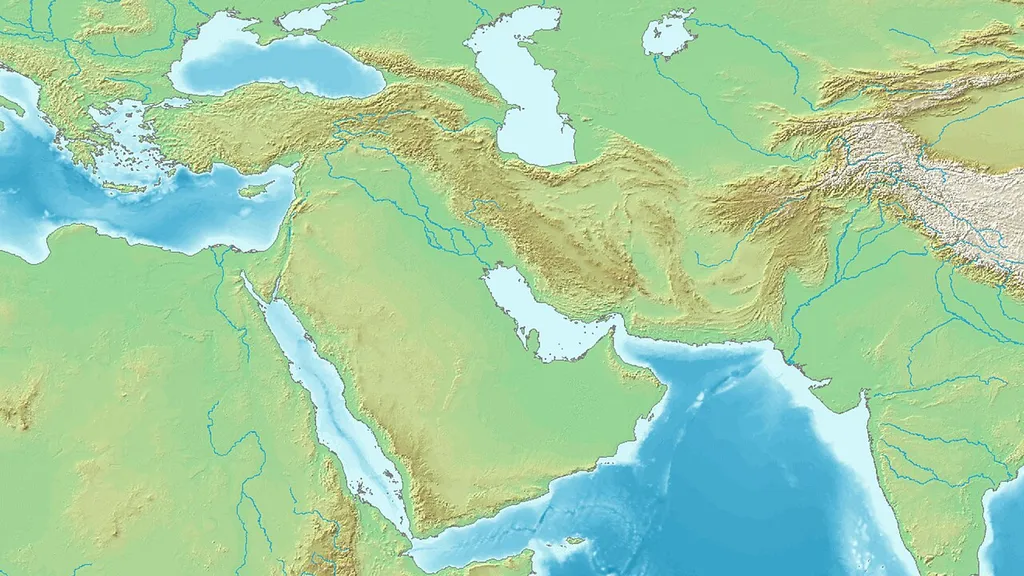
The complex web of alliances and rivalries in West Asia continues to unfold, with far-reaching implications for global security and stability. Recently, Israeli Prime Minister Benjamin Netanyahu engaged in a crucial phone call with his Indian counterpart, Narendra Modi, to discuss the ongoing crisis in the region.
Regional Tensions Escalate
The conversation between Netanyahu and Modi took place against the backdrop of escalating tensions in West Asia. The conflict has been ongoing for over five months, with no permanent solution in sight. The region is characterized by a delicate balance of power, with multiple players vying for influence and control. The situation is further complicated by the presence of extremist groups, which have been known to exploit regional instability for their own gain.
Strengthening Special Strategic Partnership
Despite the challenges, Netanyahu and Modi reaffirmed their commitment to strengthening their Special Strategic Partnership. The two leaders reviewed the progress made in various sectors, including defense, trade, and technology. Their partnership is built on a foundation of mutual trust and cooperation, with a shared goal of promoting peace and stability in the region. The partnership has yielded significant benefits for both countries, including increased trade and investment, as well as enhanced security cooperation.
Iran's Agreement with Oman
In a separate development, Iran announced that it is in the final stages of drafting an agreement with Oman on the Strait of Hormuz. The waterway is a critical conduit for global shipping and energy supplies, with around one-fifth of the world's oil and natural gas passing through it. The agreement is reportedly aimed at ensuring the safe passage of vessels through the Strait, which has been a major concern for the international community.
Humanitarian Crisis Unfolds
The conflict in West Asia has resulted in a humanitarian crisis, with thousands of people displaced and many more affected by the violence. The situation is further exacerbated by the presence of extremist groups, which have been known to target civilians and humanitarian workers. The international community has called for an immediate ceasefire and a peaceful resolution to the conflict.
Key Takeaways
- The conflict in West Asia continues to escalate, with no permanent solution in sight.
- The region is characterized by a delicate balance of power, with multiple players vying for influence and control.
- The Special Strategic Partnership between Israel and India remains a key factor in promoting peace and stability in the region.
- The agreement between Iran and Oman on the Strait of Hormuz is a significant development, aimed at ensuring the safe passage of vessels through the waterway.
- The humanitarian crisis unfolding in West Asia demands an immediate response from the international community, with a call for an immediate ceasefire and a peaceful resolution to the conflict. The world is watching, and it is imperative that all stakeholders work towards a lasting solution to this crisis.
Based on reporting from the original source. See our Copyright Policy for details.