Water Wars: India's Suspension of Indus Waters Treaty Sparks Regional Tensions
India Defence & Aerospace Indigenisation Summit 2026
Accelerating private defense manufacturing, UAV innovation, and strategic aerospace corridors.
Explore Strategic Intel →The Indus Waters Treaty, signed in 1960, has been a cornerstone of cooperation between India and Pakistan, sharing the water resources of the Indus River. However, the treaty has been put to the test in recent years, with India's suspension of the treaty in April 2025 sparking regional tensions.
The suspension was triggered by the Pahalgam terror attack, which India cited as a reason to place the treaty in abeyance. However, Pakistan disputes this, arguing that the treaty has no provisions for unilateral suspension. The issue has been framed as a critical test of international law and the sanctity of treaties, with Deputy Prime Minister Ishaq Dar warning of profound consequences if India alters the treaty.
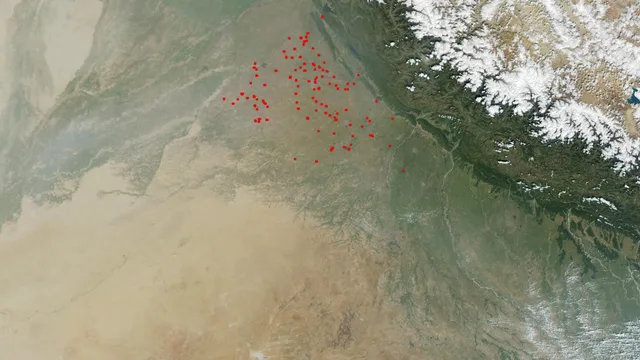
The Indus Basin is home to more than 250 million people, and the river's water is essential for agriculture, industry, and human consumption. Pakistani officials have increasingly linked water access to national survival, citing the economic and social implications of a water crisis. The Indus Basin is also a critical economic hub, with the river supporting a vast network of agricultural lands, cities, and industries.
India Defence & Aerospace Indigenisation Summit 2026
Accelerating private defense manufacturing, UAV innovation, and strategic aerospace corridors.
Explore Strategic Intel →The suspension of the treaty has far-reaching implications for regional stability and the lives of millions. The Indus Waters Treaty has been a key component of the fragile peace between India and Pakistan, and its suspension has raised concerns about the potential for conflict. The treaty has also been a symbol of cooperation between the two nations, and its alteration could have significant consequences for regional relations.
The international community has been watching the situation closely, with many countries expressing concern about the potential consequences of the treaty's suspension. The United States, in particular, has been involved in efforts to mediate the dispute, with the State Department issuing a statement urging both countries to resolve the issue through diplomatic means.
As the situation continues to unfold, it remains to be seen whether India and Pakistan can find a way to resolve their differences and restore the treaty. The future of the Indus Waters Treaty hangs in the balance, with far-reaching implications for regional stability and the lives of millions.
The Indus Waters Treaty: A Cornerstone of Cooperation
The Indus Waters Treaty has been a cornerstone of cooperation between India and Pakistan, sharing the water resources of the Indus River. The treaty was signed in 1960, and it has been a key component of the fragile peace between the two nations.
The Suspension of the Treaty
India suspended the treaty in April 2025, citing the Pahalgam terror attack as a reason. However, Pakistan disputes this, arguing that the treaty has no provisions for unilateral suspension. The issue has been framed as a critical test of international law and the sanctity of treaties.
The Implications of the Suspension
The suspension of the treaty has far-reaching implications for regional stability and the lives of millions. The Indus Basin is home to more than 250 million people, and the river's water is essential for agriculture, industry, and human consumption. Pakistani officials have increasingly linked water access to national survival, citing the economic and social implications of a water crisis.
The Role of the International Community
The international community has been watching the situation closely, with many countries expressing concern about the potential consequences of the treaty's suspension. The United States, in particular, has been involved in efforts to mediate the dispute, with the State Department issuing a statement urging both countries to resolve the issue through diplomatic means.
Key Takeaways
- The Indus Waters Treaty has been a cornerstone of cooperation between India and Pakistan, sharing the water resources of the Indus River.
- India suspended the treaty in April 2025, citing the Pahalgam terror attack as a reason, but Pakistan disputes this, arguing that the treaty has no provisions for unilateral suspension.
- The suspension of the treaty has far-reaching implications for regional stability and the lives of millions, with the Indus Basin home to more than 250 million people.
- The international community has been watching the situation closely, with many countries expressing concern about the potential consequences of the treaty's suspension.
India Defence & Aerospace Indigenisation Summit 2026
Accelerating private defense manufacturing, UAV innovation, and strategic aerospace corridors.
Based on reporting from the original source. See our Copyright Policy for details.