Stealth Evolution: India's Ambitious Leap to Sixth-Generation Combat Aircraft
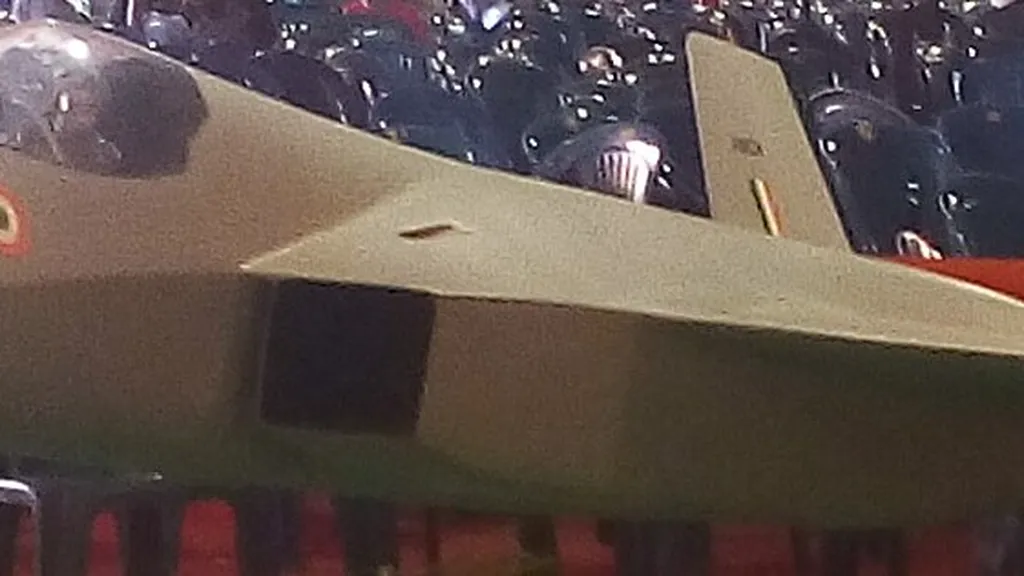
The Indian military's pursuit of advanced combat aircraft has reached new heights with the development of the Advanced Medium Combat Aircraft (AMCA) programme. As a nation, India has consistently pushed the boundaries of indigenous fifth-generation stealth fighters, but the question remains: can the country integrate a Variable Cycle Engine into the AMCA and take the leap to sixth-generation stealth?
One of the most transformative technologies that could define the AMCA Mk III is the integration of a Variable Cycle Engine, also known as an adaptive cycle engine. This propulsion system would enable the aircraft to dynamically alter its airflow characteristics during flight, providing an optimal balance between fuel efficiency, thrust generation, and thermal management.
The Variable Cycle Engine's adaptability would be a major operational advantage for the AMCA. The aircraft would be able to seamlessly switch between high-bypass turbofan and low-bypass turbojet modes, extending combat radius and loiter time without additional fuel tanks. This would be particularly beneficial for future combat aircraft, which are expected to perform a wide range of missions, from long-duration stealth patrols to high-intensity air superiority operations.
However, integrating such an engine would require significant structural modifications, advanced materials technology, and sophisticated control mechanisms. The entire aircraft would need to be designed with adaptive propulsion in mind, incorporating additional airflow passages, variable-geometry components, and sophisticated control mechanisms. These features would increase both the physical size and thermal management requirements of the propulsion system.
India is pursuing international partnerships to acquire the necessary technologies, including discussions with global engine manufacturers like France's Safran and the United Kingdom's Rolls-Royce. These partnerships would provide access to advanced design methodologies, high-temperature materials, digital engine controls, and manufacturing technologies. Such knowledge would establish the technological foundation required for pursuing an indigenous adaptive engine in the future.
A phased development strategy appears to be the most practical path forward. The AMCA Mk I is expected to be powered by the General Electric F414 engine, while the Mk II would receive a more powerful co-developed engine. Only after India has accumulated sufficient expertise in advanced military propulsion would a Variable Cycle Engine become a realistic objective for a future AMCA Mk III or an entirely new sixth-generation combat aircraft.
Successfully integrating a Variable Cycle Engine would fundamentally change the aircraft's operational capabilities. The AMCA would be able to perform a wider range of missions, with greater combat radius, improved fuel efficiency, higher sustained supersonic performance, enhanced cooling capacity, and the ability to support next-generation sensors and directed energy weapons. This would collectively move the platform into the technological domain associated with sixth-generation air combat systems.
As India continues to push the boundaries of stealth and combat capabilities, the integration of a Variable Cycle Engine into the AMCA programme would be a significant step forward. The country's pursuit of advanced technologies and international partnerships would provide the necessary foundation for pursuing an indigenous adaptive engine in the future. With the Variable Cycle Engine, the AMCA would be able to take the leap to sixth-generation stealth, redefining the boundaries of combat aircraft capabilities and setting a new standard for military aviation.
Based on reporting from the original source. See our Copyright Policy for details.