Rafale Bridge Support: The Clock is Ticking for Safran
India Defence & Aerospace Indigenisation Summit 2026
Accelerating private defense manufacturing, UAV innovation, and strategic aerospace corridors.
Explore Strategic Intel →Rafale Bridge Support: The Clock is Ticking for Safran
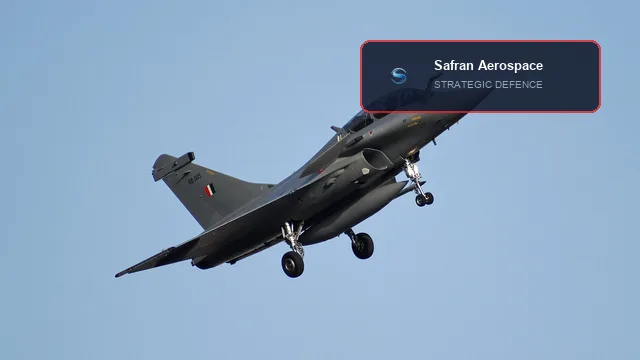
The Indian Air Force's (IAF) Rafale fleet is facing a critical juncture, with the 10-year sustainment package set to expire on September 18, 2026. The IAF has issued requests for proposals (RFPs) to Dassault and Safran for a five-month bridge contract to cover the gap until the new M88 engine maintenance, repair, and overhaul (MRO) facility in Hyderabad becomes operational in February 2027.
The bridge contract is designed to provide interim support for the full 36-aircraft fleet, with a planned 150 flying hours per aircraft annually, totaling 2,250 flying hours across the bridge period. This timeframe is not arbitrary, but rather tied to the expected operational date of the new MRO facility, which will be the first such overhaul shop outside of France.
The bridge contract is meant to fill the gap until the long-term Performance-Based Logistics (PBL) framework is in place. Under PBL, Dassault and Safran would take contractual responsibility for keeping a specified share of the fleet mission-ready, with financial penalties for missing targets. Industry estimates suggest that the likely availability target under PBL could be in the range of 75-85%, although no official figure has been disclosed.
India Defence & Aerospace Indigenisation Summit 2026
Accelerating private defense manufacturing, UAV innovation, and strategic aerospace corridors.
Explore Strategic Intel →The IAF's decision to issue RFPs for the bridge contract is a clear indication of the urgency to ensure the continued airworthiness of the Rafale fleet. The IAF has been relying on the original 10-year sustainment package, which expires in September 2026. The bridge contract is a temporary measure to bridge the gap until the new MRO facility becomes operational and the long-term PBL framework is in place.
The clock is ticking for Safran, as the bridge contract remains unsigned, and the IAF is waiting for a confirmation of the agreement. The IAF's Rafale fleet is hanging by a thread, and the timely completion of the bridge contract is crucial to ensure the continued airworthiness of the fleet.
The Bridge Contract: A Temporary Measure
The bridge contract is a temporary measure to ensure the continued airworthiness of the Rafale fleet until the new MRO facility becomes operational. The contract covers maintenance, spares, repairs, and technical support for the full 36-aircraft fleet. The planned 150 flying hours per aircraft annually, totaling 2,250 flying hours across the bridge period, is a critical aspect of the contract.
The New MRO Facility: A Game-Changer
The new MRO facility in Hyderabad is a game-changer for the IAF's Rafale fleet. The facility will be the first such overhaul shop outside of France and will provide a significant boost to the fleet's airworthiness. The facility is expected to become operational in February 2027, and the bridge contract is designed to cover the gap until then.
The PBL Framework: A Long-Term Solution
The PBL framework is a long-term solution to ensure the continued airworthiness of the Rafale fleet. Under PBL, Dassault and Safran would take contractual responsibility for keeping a specified share of the fleet mission-ready, with financial penalties for missing targets. Industry estimates suggest that the likely availability target under PBL could be in the range of 75-85%, although no official figure has been disclosed.
Key Takeaways
- The IAF's Rafale fleet is facing a critical juncture, with the 10-year sustainment package set to expire on September 18, 2026.
- The IAF has issued RFPs to Dassault and Safran for a five-month bridge contract to cover the gap until the new M88 engine MRO facility in Hyderabad becomes operational in February 2027.
- The bridge contract is designed to provide interim support for the full 36-aircraft fleet, with a planned 150 flying hours per aircraft annually, totaling 2,250 flying hours across the bridge period.
- The bridge contract is a temporary measure to bridge the gap until the new MRO facility becomes operational and the long-term PBL framework is in place.
- The clock is ticking for Safran, as the bridge contract remains unsigned, and the IAF is waiting for a confirmation of the agreement.
India Defence & Aerospace Indigenisation Summit 2026
Accelerating private defense manufacturing, UAV innovation, and strategic aerospace corridors.
Based on reporting from the original source. See our Copyright Policy for details.