Pioneering a Sustainable Future in Aviation: Breakthroughs in Hydrogen Propulsion
The aviation industry has long been a significant contributor to global carbon emissions, with commercial air travel accounting for approximately 2-3% of the world's CO2 output. However, with the increasing demand for air travel and the urgent need to reduce greenhouse gas emissions, the industry has been actively exploring alternative propulsion technologies. One such innovation is the use of hydrogen as a sustainable aviation fuel.
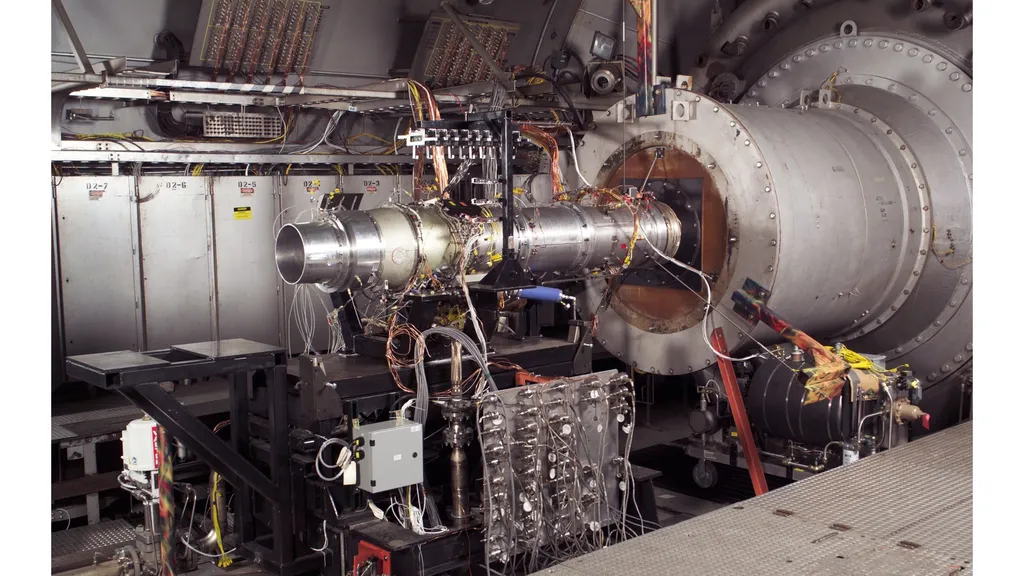
In a major breakthrough, Tata Consultancy Services (TCS) and Rolls-Royce have successfully demonstrated the operation of a modern aero gas turbine using 100% hydrogen. This achievement marks a significant step towards enabling lower-carbon aviation and brings the industry closer to a more sustainable future.
The hydrogen propulsion programme, which began in 2022, is a collaborative effort between Rolls-Royce, easyJet, and other industry partners. TCS joined the programme in 2024, bringing its expertise in engineering and technology to the table. Together, the partners have worked tirelessly to develop, test, and validate the hydrogen-powered engine.
The modified engine successfully completed a flight cycle demonstration, including take-off, cruise, and landing, using 100% hydrogen as fuel. The test validated critical hydrogen propulsion technologies across combustion, fuel systems, and engine controls. This milestone reflects the industry's readiness to translate ambition into execution and brings us one step closer to a more sustainable aviation future.
The partnership between TCS and Rolls-Royce is a testament to the power of collaboration and innovation in driving sustainable transformation. By combining their expertise in engineering, technology, and digital capabilities, the partners have accelerated the development of hydrogen propulsion technologies.
The learnings from this initiative will support future propulsion innovations, including the development of the UltraFan engine. This achievement also underscores TCS' commitment to driving sustainable transformation across industries and aligning with its broader mission to harness technology for positive societal impact.
The success of this demonstration marks a significant step towards enabling lower-carbon aviation. With the potential to eliminate in-flight CO2 emissions when deployed at scale, hydrogen-powered propulsion technologies have the potential to revolutionize the aviation industry.
As the industry continues to evolve and adapt to the changing climate, it's essential to explore alternative propulsion technologies. The partnership between TCS and Rolls-Royce is a crucial step towards a more sustainable future for flight. By harnessing the power of hydrogen, we can reduce carbon emissions, improve air quality, and create a cleaner, greener sky for future generations.
In conclusion, the achievement of TCS and Rolls-Royce marks a significant milestone in the journey towards sustainable aviation. This pioneering achievement is a testament to the power of collaboration and innovation, and it's a crucial step towards a more sustainable future for flight. As we continue to push the boundaries of what's possible, we're one step closer to a cleaner, greener sky.
Based on reporting from the original source. See our Copyright Policy for details.