Pakistan DGMO Pleaded With India to Stop BrahMos Strikes on May 10, Former Indian DGMO Reveals
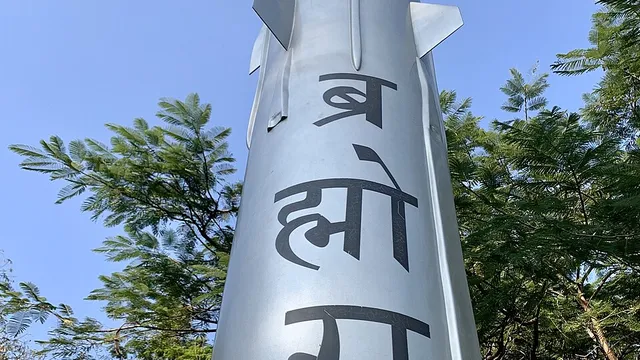
In the heat of the May 2025 military confrontation between India and Pakistan, a shocking event took place that has shed new light on the unspoken pressures of war. According to Lieutenant General Rajiv Ghai, a former Indian Director General of Military Operations (DGMO), Pakistan's DGMO made an urgent appeal to his Indian counterpart, begging them to stop their BrahMos missile strikes.
This remarkable revelation has sparked intense interest in the military and diplomatic communities, and has highlighted the importance of direct communication between military leaders in times of crisis. The account provided by General Ghai has given us a rare glimpse into the intensity of the military pressure being exerted on Pakistan during the confrontation, and has underscored the critical role that the DGMO hotline plays in facilitating communication between military leaders.
The events surrounding the May 10 ceasefire are a fascinating case study in the complexities of military diplomacy. It began with Pakistan's DGMO attempting to establish contact with his Indian counterpart through the dedicated DGMO hotline. However, due to technical issues, the hotline was unavailable, and Pakistan's military leadership was forced to resort to the diplomatic channel to make contact.
This unusual sequence of events highlights the challenges that military leaders face in communicating effectively during times of crisis. The DGMO hotline is a critical tool in facilitating direct communication between military leaders, and its failure can have significant consequences. In this case, the hotline's temporary unavailability forced Pakistan's military leadership to seek alternative channels of communication, which ultimately led to a successful direct conversation between the two DGMOs.
The reported conversation between the two DGMOs also provides a fascinating insight into the psychological pressure created by India's long-range precision-strike campaign. The fact that Pakistan's military leadership considered the continuation of the strikes serious enough to urgently seek direct communication with their Indian counterpart suggests that the pressure was intense.
The episode has also highlighted the importance of military hotlines in facilitating communication between military leaders, even in times of adversity. The purpose of these hotlines is not necessarily to prevent military action altogether, but to ensure that senior commanders have a reliable channel through which they can communicate when escalation risks become acute.
As we reflect on this remarkable episode, it is clear that the military hotline played a critical role in facilitating communication between the two sides. The conversation between the two DGMOs provides a rare insight into the final stages of the confrontation, and has underscored the importance of direct communication in times of crisis.
In the end, the May 10 conversation between the two DGMOs offers a powerful reminder of the complexities and challenges of military diplomacy. It highlights the importance of direct communication, the role of the DGMO hotline, and the psychological pressure created by long-range precision-strike campaigns. As we move forward in this rapidly changing world, it is essential that we continue to prioritize direct communication and diplomacy, and that we recognize the critical role that military hotlines play in facilitating communication between military leaders.
The Importance of Direct Communication
Direct communication between military leaders is critical in times of crisis. The DGMO hotline provides a reliable channel for communication, even in times of adversity.
The Role of the DGMO Hotline
The DGMO hotline is a critical tool in facilitating direct communication between military leaders. Its failure can have significant consequences, as seen in the May 2025 confrontation.
The Psychological Pressure of Long-Range Precision-Strike Campaigns
Long-range precision-strike campaigns can create intense psychological pressure on military leaders. The reported conversation between the two DGMOs suggests that the pressure was intense.
The Importance of Diplomacy in Times of Crisis
Diplomacy is essential in times of crisis. The May 10 conversation between the two DGMOs highlights the importance of direct communication and diplomacy in facilitating communication between military leaders.
Key Takeaways
- The military hotline played a critical role in facilitating communication between the two sides during the May 2025 confrontation.
- The conversation between the two DGMOs provides a rare insight into the final stages of the confrontation.
- Direct communication is essential in times of crisis, and the DGMO hotline is a critical tool in facilitating communication between military leaders.
- Long-range precision-strike campaigns can create intense psychological pressure on military leaders.
- Diplomacy is essential in times of crisis, and direct communication is critical in facilitating communication between military leaders.
Based on reporting from the original source. See our Copyright Policy for details.