Nashik Facility Takes Flight: Hindustan Aeronautics Limited Reboots Su-30MKI Production Line
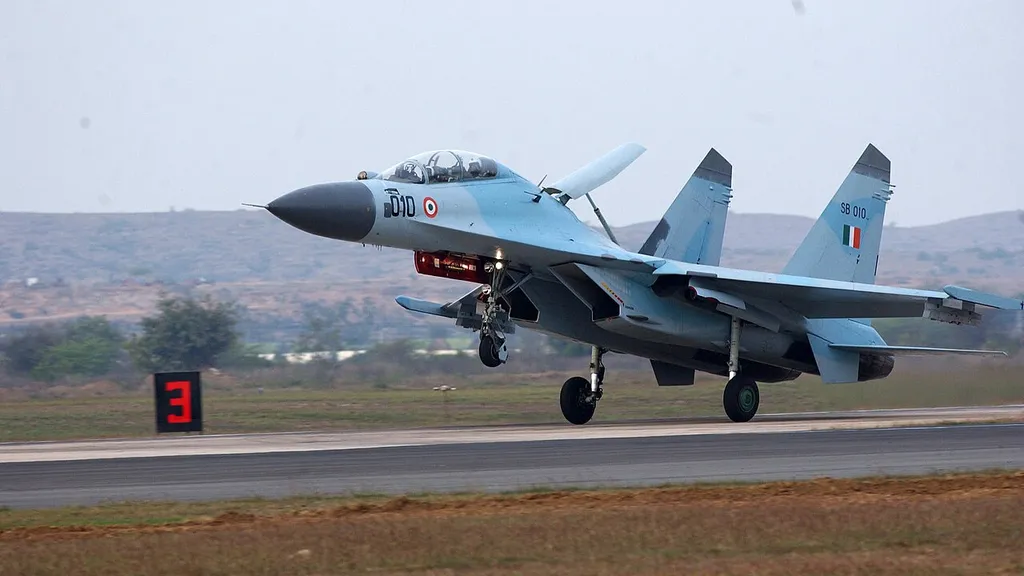
The Indian defense industry has reached a significant milestone with Hindustan Aeronautics Limited's decision to reactivate its licensed production line for the Sukhoi Su-30MKI heavy air superiority fighter at its Nashik facility. This strategic industrial restart addresses critical fleet replenishment needs and reinforces the nation's broader push toward indigenous defense production.
The decision to restart production of the Su-30MKI aircraft comes as a response to the necessity to replace operational aircraft lost in accidents over years of intensive service. The formal procurement agreement between Hindustan Aeronautics Limited and the Indian government is valued at approximately eleven thousand crore rupees. Under this contract, the company is slated to deliver twelve new Su-30MKI aircraft by the year 2029, with the first batch expected to roll out in the 2027-28 timeframe.
A defining characteristic of this revived manufacturing cycle is the significant emphasis placed on domestic substitution and supply chain localization. While previous iterations relied heavily on components and assembly structures imported directly from Russian original equipment manufacturers, the new contract mandates a substantially higher threshold of domestic participation. Industry disclosures highlight that the forthcoming aircraft will feature over fifty percent indigenous content, with specific estimates placing local integration metrics even higher. This deep indigenization involves collaborating closely with domestic MSMEs, private sector defense vendors, and research establishments to manufacture major sub-assemblies locally.
The reactivation of the Nashik assembly line serves a dual purpose within India's defense ecosystem. Beyond manufacturing the newly ordered dozen fighters, the facility is positioned to act as a vital nexus for an ambitious comprehensive modernization program valued at roughly sixty thousand crore rupees. This modernization initiative—frequently termed the Super Sukhoi upgrade—aims to retrofit the existing operational fleet of Su-30MKIs with advanced active electronically scanned array radars, modern electronic warfare suites, indigenous mission computers, and state-of-the-art targeting systems developed in partnership with the Defence Research and Development Organisation.
Historically, the Nashik division stands as one of the aerospace enterprise's premier manufacturing and overhaul hubs, having previously produced hundreds of the Russian-origin fighters under license. By bridging past licensed assembly expertise with modern indigenous electronics, advanced avionics, and local weapon integration like the BrahMos cruise missile and Astra air-to-air missiles, Hindustan Aeronautics Limited is transforming its operational scope. This evolution ensures that the Indian Air Force maintains a technologically dominant, highly resilient combat fleet capable of deterring multi-front security challenges well into the coming decades.
The Nashik facility's role in the Su-30MKI production line is not limited to manufacturing the new fighters. It also serves as a hub for the Super Sukhoi upgrade, which aims to modernize the existing operational fleet of Su-30MKIs. This comprehensive modernization program is valued at roughly sixty thousand crore rupees and involves retrofitting the existing fleet with advanced active electronically scanned array radars, modern electronic warfare suites, indigenous mission computers, and state-of-the-art targeting systems developed in partnership with the Defence Research and Development Organisation.
The integration of advanced electronics, avionics, and local weapon systems into the Su-30MKI aircraft is a significant milestone for the Indian defense industry. By collaborating closely with domestic MSMEs, private sector defense vendors, and research establishments, Hindustan Aeronautics Limited is transforming its operational scope and ensuring the Indian Air Force maintains a technologically dominant combat fleet. This evolution ensures that the Indian Air Force remains a formidable force in the region, capable of deterring multi-front security challenges well into the coming decades.
The Nashik facility's reactivation is a significant step towards achieving the nation's goal of indigenous defense production. By leveraging domestic capabilities and partnerships, Hindustan Aeronautics Limited is transforming its operational scope and ensuring the Indian Air Force maintains a technologically dominant combat fleet. This evolution will have a lasting impact on the Indian defense industry, enabling the nation to maintain a technologically advanced and resilient military force capable of addressing emerging security challenges.
The reactivation of the Nashik assembly line is a testament to the Indian government's commitment to indigenous defense production. By prioritizing domestic substitution and supply chain localization, the government is fostering a robust defense ecosystem that is capable of addressing emerging security challenges. This evolution will have a lasting impact on the Indian defense industry, enabling the nation to maintain a technologically advanced and resilient military force capable of deterring multi-front security challenges well into the coming decades.
In conclusion, the reactivation of the Nashik assembly line is a significant milestone for the Indian defense industry. By leveraging domestic capabilities and partnerships, Hindustan Aeronautics Limited is transforming its operational scope and ensuring the Indian Air Force maintains a technologically dominant combat fleet. This evolution will have a lasting impact on the Indian defense industry, enabling the nation to maintain a technologically advanced and resilient military force capable of addressing emerging security challenges.
Based on reporting from the original source. See our Copyright Policy for details.