India's Tejas Mk2 Breaks New Ground with Modular Fighter Design
India's Tejas Mk2 Breaks New Ground with Modular Fighter Design
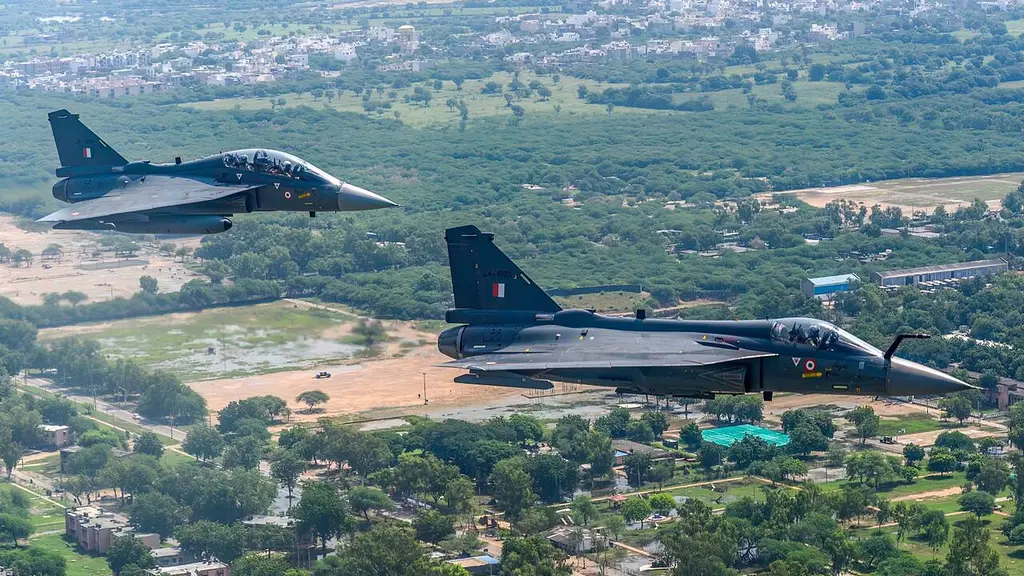
The Indian Air Force's next-generation fighter jet, the Tejas Mk2, has made headlines with its innovative modular design. By ditching the internal cannon layout of its predecessors, the Tejas Mk2 has adopted a detachable external gun pod, paving the way for a more adaptable and efficient fighter jet.
The decision to externalize the gun was driven by the need to create vital space within the airframe. As modern fighter design increasingly integrates sensors, mission computers, cooling architecture, and electronic warfare suites, internal volume has become a scarce and valuable commodity. By relocating the cannon into a detachable external pod, the designers at ADA and HAL have reclaimed internal space that would otherwise remain locked into a single-purpose mechanical system for the entire life of the airframe.
This strategic move has significant implications for the Tejas Mk2's mission profile. Pilots will have the option to attach the gun pod only when the mission requires close-quarter kinetic support, while for missions where a cannon is unnecessary, such as long-range standoff strikes or reconnaissance, the aircraft can fly without the pod. This clean configuration reduces aerodynamic drag and lowers the aircraft's radar cross-section, thereby improving its range and survivability in contested airspace.
The freed internal volume is expected to accommodate a range of possible fitments, including additional avionics processing hardware, electronic warfare equipment, or other role-specific systems that would otherwise have required external pods or compromises elsewhere in the airframe. For a fighter positioned to bridge the capability gap between the lighter Tejas Mk1A and the future fifth-generation AMCA, this kind of internal modularity is strategically significant, since it allows the Mk2 to prioritize sensor fusion and networked warfare capability without permanently sacrificing gun-armed close-combat capability when a mission calls for it.
The Tejas Mk2's modular design is a testament to the innovative spirit of Indian aerospace engineering. By embracing flexibility and adaptability, the Tejas Mk2 is poised to revolutionize the world of fighter jet design, providing a cutting-edge platform for the Indian Air Force to tackle the challenges of the 21st century.
Modular Design Paves the Way for Flexibility
The Tejas Mk2's modular design is a significant departure from the fixed internal gun layout of its predecessors. By externalizing the gun, the designers have created a more adaptable and efficient fighter jet, capable of meeting a wide range of mission requirements.
Reduced Drag and Radar Cross-Section
The clean configuration of the Tejas Mk2, with the detachable gun pod, reduces aerodynamic drag and lowers the aircraft's radar cross-section. This improvement in range and survivability is a significant advantage in contested airspace.
Internal Modularity and Sensor Fusion
The freed internal volume of the Tejas Mk2 is expected to accommodate a range of possible fitments, including additional avionics processing hardware, electronic warfare equipment, or other role-specific systems. This kind of internal modularity is strategically significant, since it allows the Mk2 to prioritize sensor fusion and networked warfare capability without permanently sacrificing gun-armed close-combat capability when a mission calls for it.
A Leap Forward in Fighter Design
The Tejas Mk2's modular design is a testament to the innovative spirit of Indian aerospace engineering. By embracing flexibility and adaptability, the Tejas Mk2 is poised to revolutionize the world of fighter jet design, providing a cutting-edge platform for the Indian Air Force to tackle the challenges of the 21st century.
Key Takeaways
- The Tejas Mk2's modular design allows for a more adaptable and efficient fighter jet, capable of meeting a wide range of mission requirements.
- The clean configuration of the Tejas Mk2 reduces aerodynamic drag and lowers the aircraft's radar cross-section, improving its range and survivability in contested airspace.
- The freed internal volume of the Tejas Mk2 is expected to accommodate a range of possible fitments, including additional avionics processing hardware, electronic warfare equipment, or other role-specific systems.
- The Tejas Mk2's modular design is a significant departure from the fixed internal gun layout of its predecessors, providing a cutting-edge platform for the Indian Air Force to tackle the challenges of the 21st century.
Based on reporting from the original source. See our Copyright Policy for details.