India's Rafale Deal: A Chance to Seize Control of Its Own Aerospace Destiny
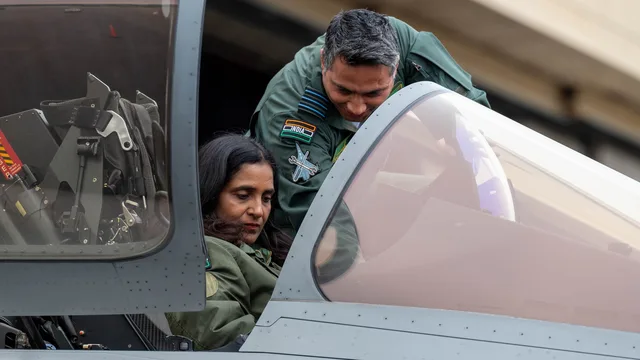
India's Rafale deal presents a unique opportunity for the country to seize control of its own aerospace destiny. As the country considers acquiring 114 advanced multirole fighter aircraft, a crucial aspect is often overlooked: ensuring the freedom to upgrade with domestic systems.
The Rafale is a 4.5-generation fighter with advanced sensors, electronic warfare capabilities, and combat-proven weapons. However, its long-term service life demands a plan for technological sovereignty. India's domestic industry is rapidly advancing critical aerospace technologies, including the Uttam AESA radar and indigenous electronic warfare systems.
India has already made significant progress in critical aerospace technologies. The Uttam AESA radar is moving towards operational maturity and is expected to equip future Tejas variants while also offering potential for other combat aircraft. Similarly, India's Defence Research and Development Organisation (DRDO) has invested heavily in indigenous electronic warfare technologies, mission computers, secure communication systems, data links, and sensor fusion capabilities.
By negotiating provisions for mid-life upgrades and access to interfaces, software architecture, and technical documentation, India can ensure greater autonomy over its fleet's evolution and align with the Atmanirbhar Bharat vision. This would not eliminate cooperation with the original manufacturer but would provide India with greater flexibility and control over how its fleet evolves.
Such an approach would simplify training, logistics, and future weapons integration across different fighter fleets. Domestic upgrades could also be implemented on India's own schedule rather than being tied to the development priorities or export timelines of foreign manufacturers.
From an industrial perspective, incorporating indigenous systems into a large Rafale fleet would significantly strengthen India's aerospace ecosystem. Domestic companies would gain valuable experience in integrating advanced avionics onto one of the world's leading combat aircraft, creating expertise that would directly support future indigenous programmes, including the Advanced Medium Combat Aircraft (AMCA) and next-generation unmanned combat aircraft.
The Rafale deal presents an opportunity for India to secure its future freedom to integrate cutting-edge indigenous technologies, ensuring long-term technological sovereignty and a stronger domestic defence industry. By seizing control of its own aerospace destiny, India can create a more sustainable and self-reliant defence industry that meets its future needs and protects its national interests.
Key Takeaways
- India's Rafale deal presents a unique opportunity for the country to seize control of its own aerospace destiny.
- The deal requires India to negotiate provisions for mid-life upgrades and access to interfaces, software architecture, and technical documentation to ensure greater autonomy over its fleet's evolution.
- Incorporating indigenous systems into a large Rafale fleet would significantly strengthen India's aerospace ecosystem and create expertise for future indigenous programmes.
- The Rafale deal aligns closely with the government's Atmanirbhar Bharat vision, which aims to promote self-reliance in critical technologies.
- India's domestic industry is rapidly advancing critical aerospace technologies, including the Uttam AESA radar and indigenous electronic warfare systems.
Based on reporting from the original source. See our Copyright Policy for details.