India's Operation Sindoor: A Battle for Public Narrative in the Information War
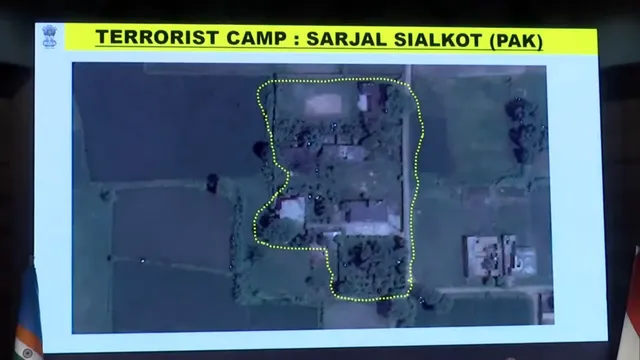
The recent documentary on Operation Sindoor has ignited a firestorm of controversy between India and Pakistan. The DG ISPR, Pakistan's military spokesperson, has launched a scathing attack on India, accusing New Delhi of attempting to rewrite the history and operational outcome of the conflict through a highly dramatized portrayal of events.
The statement from the DG ISPR is a stark reflection of the deep-seated distrust and animosity between the two nuclear-armed neighbours. The documentary in question features senior political and military leadership, and its creators are accused of using selective interviews, emotional narration, and cinematic reconstruction to present what Pakistan considers an inaccurate account of the operation.
The DG ISPR's statement is a masterclass in subtle yet potent language. By labelling the documentary a 'tragedy and a comedy,' Pakistan's military spokesperson is highlighting the absurdity of India's attempt to rewrite the narrative of Operation Sindoor. The statement also uses unusually dismissive language, accusing the documentary of lacking 'nuance and seriousness.'
At the heart of the disagreement is the information war that has accompanied military operations between the two neighbours. Both countries have sought to establish their preferred narrative through official statements, military briefings, social-media campaigns, and increasingly sophisticated visual content. The latest statement from Pakistan represents another attempt by Islamabad to challenge India's public presentation of the conflict.
The competing narratives make independent verification particularly important. Claims made by either side during or after military operations cannot automatically be treated as established fact without corroborating evidence. Nevertheless, the tone of the DG ISPR statement suggests that Pakistan considers India's documentary significant enough to warrant an official response.
By directly attacking the production and accusing India of 'rewriting' the operational history, Islamabad is attempting to challenge the narrative before it becomes more deeply embedded in public discourse. The episode demonstrates that the battle over Operation Sindoor is no longer confined to the military domain. More than a year after the fighting, India and Pakistan continue to compete over how the operation will ultimately be remembered, with military achievements, losses, and strategic outcomes remaining fiercely contested.
As the information war between India and Pakistan continues to escalate, one thing is clear: the battle for public narrative has become a key battleground. The DG ISPR's statement is a stark reminder that the truth is often the first casualty of war, and that the real battle is not just about winning, but about shaping the narrative of the conflict.
The implications of this information war are far-reaching and profound. It highlights the importance of media literacy and critical thinking in navigating the complex and often contradictory narratives presented by both sides. It also underscores the need for independent verification and fact-checking to separate fact from fiction in the heat of the information war.
As the world watches the unfolding drama between India and Pakistan, one thing is certain: the battle for public narrative is far from over. The outcome will have far-reaching consequences for the region and the world, and it is imperative that we remain vigilant and informed in the face of this information war.
Based on reporting from the original source. See our Copyright Policy for details.