India's Layered Air Defence Shield: Upgraded Pechora Systems Extend Operational Lifespan
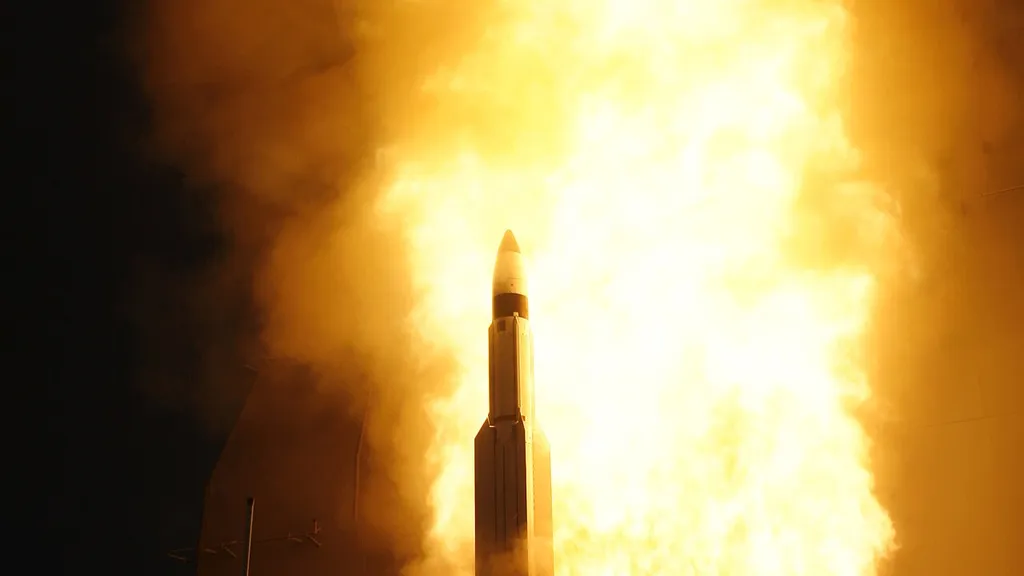
India's air defence architecture has undergone a significant transformation in recent years, with the Indian Air Force (IAF) opting for a layered approach to protect its skies. At the heart of this strategy is the digitally upgraded S-125 Pechora surface-to-air missile system, which continues to play a critical role in the nation's air defence posture.
The Pechora, based on a Soviet-era design, has undergone a comprehensive digital transformation, including the integration of digital command-and-control systems, upgraded surveillance and fire-control radars, electro-optical tracking sensors, improved communications, and enhanced data-link capabilities. This modernisation programme has significantly enhanced the operational relevance of the system, enabling it to operate seamlessly within India's integrated air defence network.
The Pechora's continued deployment is not intended as a long-term replacement for newer systems but rather as a carefully planned bridge while the IAF inducts next-generation indigenous air defence platforms such as Akash-NG and the Extended Range Air Defence System (ERADS) under Project Kusha. These advanced systems are expected to enter service in phases from 2028 onwards and become well established by around 2030, gradually assuming the primary responsibility for India's medium- and long-range air defence.
Mission Sudarshan Chakra, the IAF's layered air defence shield, is based on the principle of multiple systems with different engagement ranges operating together through a common command-and-control network. Under this concept, every layer contributes to overall airspace protection. The Pechora's integration into this network has been a significant development, enabling it to operate in conjunction with other systems to provide comprehensive airspace protection.
The retention of the Pechora also reflects India's broader strategic realities. The IAF continues to face challenges in maintaining its sanctioned fighter squadron strength while simultaneously expanding nationwide air defence coverage. By keeping upgraded Pechora batteries operational, the IAF ensures continuous protection while avoiding excessive pressure on new production lines. This phased transition allows new indigenous systems to be inducted methodically without compromising operational readiness.
The successful completion of user trials of the upgraded configuration in late 2025 demonstrated that the modernisation effort has significantly enhanced the operational relevance of the system. As a result, these upgraded batteries are expected to remain in active service until at least the mid-2030s, providing valuable operational capacity while newer indigenous systems are inducted in larger numbers.
The retention of the Pechora is also a testament to India's commitment to developing its domestic modernisation capability. Companies such as Alpha Design Technologies, working alongside the IAF and other defence organisations, have demonstrated the ability to digitally upgrade legacy Soviet-origin equipment using indigenous electronics, software, and sensor technologies. This expertise not only extends the operational life of existing assets but also reduces long-term dependence on foreign original equipment manufacturers for sustainment and upgrades.
The Pechora's operational relevance has been significantly enhanced, ensuring continuous protection for the nation's skies. With its comprehensive digital transformation, the system is well-equipped to counter a wide range of aerial threats, from mass-produced drones and precision-guided munitions to low-cost loitering munitions and unmanned aerial vehicles (UAVs).
As India's air defence architecture continues to evolve, the Pechora will remain a critical layer within the IAF's defensive network. Its continued operational relevance is a testament to the nation's commitment to developing its domestic modernisation capability and ensuring continuous protection for its skies. The IAF's decision to retain the Pechora has significant implications for India's air defence posture, enabling it to maintain a strong and effective air defence capability until at least the mid-2030s.
Based on reporting from the original source. See our Copyright Policy for details.