India's Indigenous Radar Upgrade: A Crucial Test of Self-Sufficiency
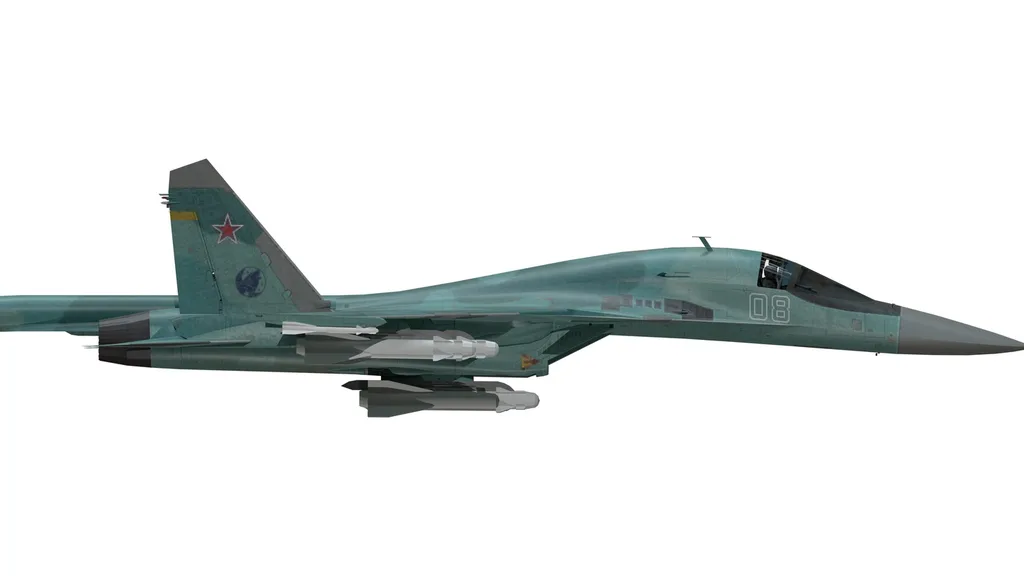
In the realm of indigenous radar technology, India's Defence Research and Development Organisation (DRDO) has been working tirelessly to upgrade its legacy combat aircraft with cutting-edge electronics. At the heart of this endeavour is Data Patterns India Ltd, a pioneering company that has been developing a world-class HAWK airborne radar system for the MiG-29 and Su-30MKI fighter jets.
The HAWK radar system is a marvel of modern technology, boasting advanced hardware that has been hailed as world-class by industry experts. However, despite this impressive achievement, the company still faces a significant challenge – finalising the software needed to make the system operational. This is a crucial hurdle that must be overcome if the radar is to see the light of day.
To address this challenge, Data Patterns is pursuing multiple routes, including discussions with the DRDO and Russian OEMs associated with the aircraft. These talks aim to explore possible collaboration for integrating the required software, a critical step in bringing the radar system to life. The company is also engaging with Russian OEMs to determine whether they can support the integration effort, a move that could potentially provide a breakthrough in the software development process.
While the hardware for the HAWK radar system has been completed, the software integration and validation phase poses a significant challenge. This is a critical stage of the development process, as it requires the radar system to be fully functional and compatible with the respective aircraft platforms. The company is racing against time to overcome this hurdle, with the next two to three months expected to provide greater clarity and potentially produce a breakthrough on the software issue.
In addition to seeking external support, Data Patterns is also developing its own airborne radar software, initially using Unmanned Aerial Vehicles (UAVs) as test platforms. This approach allows the company to test its software architecture and radar functionality on an airborne platform before attempting integration with more complex fighter aircraft. This strategy shift aims to build greater control over the complete radar system, reducing the company's dependence on external organisations.
The company's shift in strategy is a significant development, as it marks a move towards self-sufficiency in radar technology. By developing its own airborne radar software, Data Patterns can progressively refine its capabilities while reducing the risks associated with immediately conducting fighter-aircraft trials. This approach could potentially give the company greater freedom to modify its systems and respond to customer requirements.
As India continues to push forward with its indigenous radar upgrade programme, the HAWK radar system remains a crucial test of the country's self-sufficiency in radar technology. With Data Patterns at the forefront of this endeavour, the company's success will be a significant milestone in the country's efforts to upgrade its legacy combat aircraft with cutting-edge electronics.
The programme also highlights a broader challenge in India's effort to upgrade its legacy combat aircraft with indigenous electronics. Developing the physical radar hardware is only one part of the process, with software integration, aircraft interfaces, mission-computer compatibility, environmental qualification, and flight testing becoming equally important – and sometimes more difficult – stages of an indigenous upgrade.
The success of the HAWK radar programme will have far-reaching implications for India's defence sector, as it demonstrates the country's ability to develop cutting-edge technology indigenously. With Data Patterns leading the charge, the company's success will be a significant milestone in the country's efforts to upgrade its legacy combat aircraft with state-of-the-art electronics.
In conclusion, the HAWK radar system represents a crucial test of India's self-sufficiency in radar technology. With Data Patterns developing a world-class radar system and working towards self-sufficiency in radar technology, the company's success will be a significant milestone in the country's efforts to upgrade its legacy combat aircraft with cutting-edge electronics.
Based on reporting from the original source. See our Copyright Policy for details.