India's Fighter Fleet Set for a Game-Changing Boost with Russia's Su-57 Offer
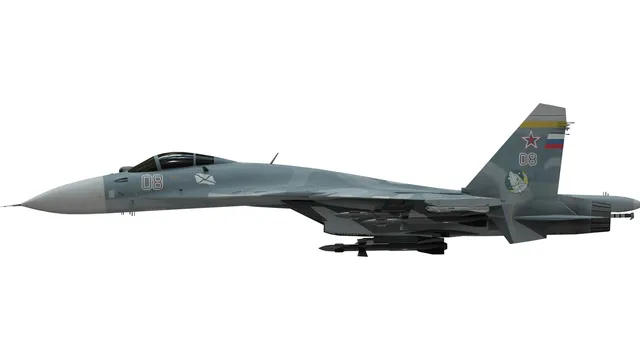
India's fighter fleet is on the cusp of a significant transformation, with Russia offering to transfer a batch of its cutting-edge Su-57 fifth-generation fighters to the Indian Air Force. This unprecedented proposal could grant the IAF an immediate edge in combat capabilities, bypassing the development of its indigenous Advanced Medium Combat Aircraft programme.
The Su-57, Russia's most advanced operational fighter, boasts an array of fifth-generation features, including reduced radar observability, internal weapons carriage, and advanced sensors. This limited acquisition could provide the IAF with direct experience with a fifth-generation platform, paving the way for a potential shift in India's fighter fleet dynamics.
One of the most significant aspects of this proposal is the inclusion of the R-77M beyond-visual-range air-to-air missile. This advanced missile boasts an impressive 200km range and active radar-guided seeker, making it a potent combination with the Su-57. The R-77M's active radar-guided seeker allows it to engage targets at a range of over 200km, providing the Su-57 with a substantial advantage in long-range air combat.
The Su-57's advanced features and capabilities, combined with the R-77M missile, would grant the IAF a significant edge in air superiority. The aircraft's sensors and low-observable characteristics, combined with a long-range active radar-guided missile, would allow it to conduct engagements while reducing the amount of time available to an opposing aircraft to respond.
However, this acquisition raises critical strategic and financial questions. A small batch of Su-57s could create another specialised fighter fleet, necessitating its own training, maintenance, infrastructure, and logistics chain. Would it be a temporary bridge until India's indigenous fifth-generation fighter becomes available, or would it create pressure to expand the Su-57 fleet?
The potential implications of this proposal are far-reaching. India has historically sought longer-range BVR weapons for its fighter fleet, with the Astra family being progressively developed for greater range and improved guidance. Access to a missile such as the R-77M could provide an interim capability while indigenous long-range air-to-air missile programmes mature.
In conclusion, the Su-57 and R-77M combination would be a revolutionary leap for the Indian Air Force. However, the acquisition of this advanced fighter and missile system raises critical questions about India's fighter fleet dynamics. Will India seize this opportunity, or will they stick with their indigenous AMCA programme? Only time will tell.
Key Takeaways
- Russia has offered to transfer a batch of Su-57 fifth-generation fighters to the Indian Air Force.
- The Su-57 boasts an array of fifth-generation features, including reduced radar observability, internal weapons carriage, and advanced sensors.
- The R-77M beyond-visual-range air-to-air missile boasts an impressive 200km range and active radar-guided seeker.
- The Su-57 and R-77M combination would grant the IAF a significant edge in air superiority.
- The acquisition of the Su-57 and R-77M raises critical strategic and financial questions.
Based on reporting from the original source. See our Copyright Policy for details.