India's Engine Dilemma: A Cautionary Tale of Indigenous Development
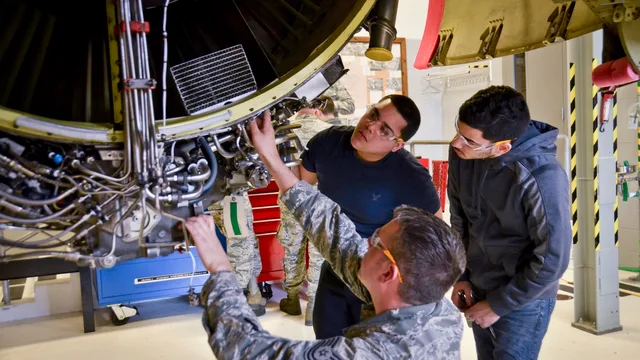
India's engine development programme has been a story of both promise and disappointment. The country's indigenous Kaveri engine programme, aimed at powering the Light Combat Aircraft (LCA) Tejas, faced significant technical and infrastructure challenges. However, former Air Chief Marshal RKS Bhadauria is questioning whether India abandoned its indigenous engine effort too early.
The Kaveri engine programme was a significant undertaking for India, with a goal of developing a powerful and efficient engine for the Tejas fighter jet. The programme accumulated 2,771 hours of engine testing by November 2016, and had successfully completed flight testing on an Il-76 flying test bed up to an altitude of 12 km and a maximum forward speed of Mach 0.7. However, the engine failed to achieve its original target of providing sufficient thrust and thrust-to-weight performance for the Tejas.
Bhadauria argues that the Kaveri programme should not be viewed as a failure, but rather as an unfinished first generation. The programme generated valuable technology and experience in compressor and turbine design, combustion, materials, manufacturing, and engine testing. These skills and knowledge can be leveraged in a future joint venture or indigenous engine development programme.
The Kaveri programme's challenges were not unique to India. Established engine manufacturers, such as the United States, Britain, France, and Russia, had decades of accumulated experience in indigenous aero-engine development. The original development schedule underestimated the effort required, and the programme was affected by US sanctions following India's 1998 nuclear tests, shortages of specialised materials, inadequate domestic testing infrastructure, and delays in obtaining critical components.
The bigger lesson for today's Advanced Medium Combat Aircraft (AMCA) engine programme is that indigenous engine development requires sustained funding and institutional continuity over decades. India must ensure that the next programme builds domestic engineering depth rather than becoming another licensed-production exercise. The country must invest in long-term research and development, and foster a culture of innovation and collaboration.
India is now at a crossroads, with foreign technology partnerships emerging as a potential solution. However, the country must learn from its past mistakes and build a robust indigenous engine capability. Only then can India achieve its goal of becoming a self-sufficient military power.
The Kaveri Engine Programme: A Complex Story
The Kaveri engine programme was a complex and ambitious undertaking for India. The programme aimed to develop a powerful and efficient engine for the Tejas fighter jet, but it faced significant technical and infrastructure challenges. The engine failed to achieve its original target of providing sufficient thrust and thrust-to-weight performance for the Tejas.
The Value of the Kaveri Programme
Despite its challenges, the Kaveri programme generated valuable technology and experience in compressor and turbine design, combustion, materials, manufacturing, and engine testing. These skills and knowledge can be leveraged in a future joint venture or indigenous engine development programme.
The Lesson for India's AMCA Engine Programme
The Kaveri programme's challenges and setbacks serve as a cautionary tale for India's current AMCA engine programme. Indigenous engine development requires sustained funding and institutional continuity over decades. India must ensure that the next programme builds domestic engineering depth rather than becoming another licensed-production exercise.
The Road Ahead for India's Engine Development
India is now at a crossroads, with foreign technology partnerships emerging as a potential solution. However, the country must learn from its past mistakes and build a robust indigenous engine capability. Only then can India achieve its goal of becoming a self-sufficient military power.
Key Takeaways
- The Kaveri engine programme was a complex and ambitious undertaking for India, but it faced significant technical and infrastructure challenges.
- The programme generated valuable technology and experience in compressor and turbine design, combustion, materials, manufacturing, and engine testing.
- Indigenous engine development requires sustained funding and institutional continuity over decades.
- India must ensure that the next programme builds domestic engineering depth rather than becoming another licensed-production exercise.
- The country must invest in long-term research and development, and foster a culture of innovation and collaboration.
Based on reporting from the original source. See our Copyright Policy for details.