India's Defence Export Powerhouse: BrahMos Missile Revolutionises Global Arms Market
India's defence export landscape has undergone a significant transformation with the emergence of the BrahMos supersonic cruise missile as a leading player. The missile's remarkable performance in Operation Sindoor, where it effectively evaded Chinese-origin air defence systems, has sparked a global interest in acquiring this advanced precision-strike capability.
The BrahMos project, which began in 1997, was a result of a joint venture between India and Russia. A team of 27 Indian representatives, comprising DRDO scientists and officials from government defence companies, travelled to a military-industrial facility in Reutov, Russia, to study the engine that powered the Russian Onyx supersonic cruise missile. Impressed by the technology, India and Russia signed an inter-governmental agreement in 1998 to establish BrahMos Aerospace.
Over the years, BrahMos evolved from a closely guarded Indo-Russian joint venture into one of India's most prominent defence export products. Its combat debut came during Operation Sindoor in May 2025, when the missile was reportedly used in a significant role during India's military response. The operation was a precise and decisive military action conducted by the Indian armed forces against high-value terror targets in Pakistan-occupied Kashmir and Pakistan.
According to sources, at least 15 BrahMos missiles were fired by Indian fighter aircraft during Operation Sindoor at Pakistani military installations, with the aircraft launching the strikes without crossing the international border. The accuracy and lethality of the missile strikes were crucial in prompting Pakistan to swiftly call for a ceasefire. BrahMos also demonstrated its ability to evade Chinese-origin air defence systems deployed by Pakistan, which was a major concern for many countries seeking to acquire advanced precision-strike capabilities.
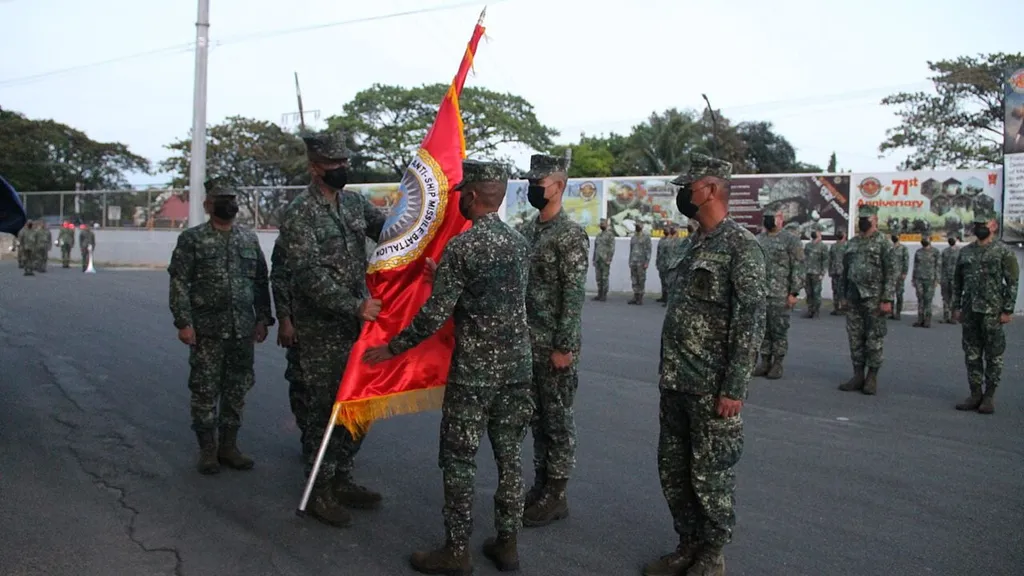
The successful deployment during the operation further enhanced the international profile of the missile and contributed to increased interest among countries looking to acquire advanced precision-strike capabilities. India has since signed deals with the Philippines, Vietnam, and Indonesia, worth over $1.2 billion. With production centres in Hyderabad, Nagpur, Pilani, and Lucknow, BrahMos is poised to equip every major Indian naval warship and fighter aircraft.
At least a dozen countries have expressed interest in acquiring the missile, and work is underway to develop newer and more advanced variants of BrahMos. These include a version with underwater capability as well as a miniaturised variant designed to expand the missile's deployment options. The long-term objective is reportedly to pair a fully indigenous version of BrahMos with India's homegrown fighter aircraft, including the Tejas and the upcoming LCA Mk 2. Such integration would further strengthen India's efforts to build an increasingly self-reliant defence ecosystem while expanding the country's position as an exporter of advanced military technology.
A New Era in Defence Exports
The emergence of BrahMos as a leading defence export product has marked a new era in India's defence exports. The missile's success in Operation Sindoor has sparked a global interest in acquiring this advanced precision-strike capability. With production centres in Hyderabad, Nagpur, Pilani, and Lucknow, BrahMos is poised to equip every major Indian naval warship and fighter aircraft.
The BrahMos Advantage
BrahMos offers several advantages over other precision-strike capabilities. Its supersonic speed and high accuracy make it an ideal choice for military operations. The missile's ability to evade Chinese-origin air defence systems deployed by Pakistan has been a major concern for many countries seeking to acquire advanced precision-strike capabilities.
India's Self-Reliant Defence Ecosystem
The emergence of BrahMos as a leading defence export product has further strengthened India's efforts to build an increasingly self-reliant defence ecosystem. The country's growing defence export network has marked a significant milestone in India's journey towards self-reliance.
Key Takeaways
- The BrahMos supersonic cruise missile has emerged as a game-changer in India's defence exports, with its success in Operation Sindoor sparking a global interest in acquiring this advanced precision-strike capability.
- India has signed deals with the Philippines, Vietnam, and Indonesia, worth over $1.2 billion, for the purchase of BrahMos missiles.
- At least a dozen countries have expressed interest in acquiring the missile, and work is underway to develop newer and more advanced variants of BrahMos.
- The long-term objective is reportedly to pair a fully indigenous version of BrahMos with India's homegrown fighter aircraft, including the Tejas and the upcoming LCA Mk 2.
- The emergence of BrahMos as a leading defence export product has marked a new era in India's defence exports, with the country's growing defence export network marking a significant milestone in India's journey towards self-reliance.
Based on reporting from the original source. See our Copyright Policy for details.