India's CATS Programme: Revolutionizing Air Warfare with AI-Driven Combat Networks
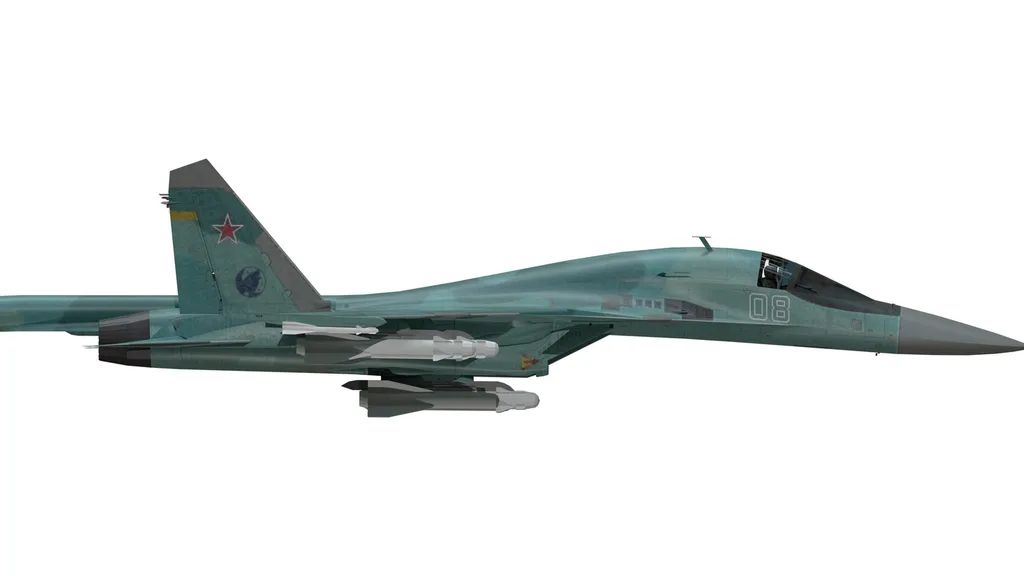
India's indigenous air-launched cruise missile, the CATS Hunter, is making steady progress through its development programme. However, its first fully powered flight trials are still some time away as Hindustan Aeronautics Limited (HAL) focuses on validating the artificial intelligence and unmanned systems that form the backbone of the Combat Air Teaming System (CATS).
The CATS Hunter is one of the principal strike components of HAL's ambitious Combat Air Teaming System, a programme designed to integrate manned fighter aircraft, unmanned combat aerial vehicles (UCAVs), autonomous weapons, and artificial intelligence into a single networked combat ecosystem. This cutting-edge air-launched cruise missile is designed to penetrate heavily defended airspace and strike high-value targets deep inside hostile territory.
Unlike conventional stand-off weapons, the CATS Hunter has been conceived as a low-observable, subsonic Air-Launched Cruise Missile (ALCM) capable of carrying a 250-kilogram payload and weighing approximately 600 kilograms. This balance between range, survivability, and destructive capability makes it an attractive option for India's air force.
The CATS Hunter has been designed with considerable operational flexibility, allowing it to be compatible with multiple launch platforms, including the Tejas Light Combat Aircraft, Jaguar strike aircraft, and Su-30MKI fighters. Moreover, it has been engineered for deployment directly from the internal weapons bays of HAL's CATS Warrior unmanned combat aerial vehicle, allowing both manned and unmanned platforms to employ the same precision-strike weapon.
The successful development of the CATS Warrior UCAV is a top priority, as it will serve as a principal launch platform for the Hunter. This stealth-oriented unmanned combat aircraft will deploy the Hunter from its internal weapons bays, preserving its low-observable characteristics during strike missions. The programme's timeline is influenced by the need to validate the ACID software's core algorithms and the successful development of the CATS Warrior UCAV.
The CATS programme represents a major shift in India's approach to future air warfare. Instead of relying solely on increasingly expensive crewed fighter aircraft to penetrate contested airspace, the concept envisions pilots directing multiple autonomous assets, including UCAVs and cruise missiles, from relatively safe stand-off distances. This approach has the potential to reduce risks to aircrew while extending operational reach and increasing the number of precision weapons that can be employed during a single mission.
The successful development of the CATS Warrior UCAV will also validate many of the autonomous mission-management systems, communications architecture, and AI-driven teaming capabilities that the Hunter will ultimately rely upon during combat operations. Once these foundational technologies have been demonstrated, the programme will progress towards integrated missile testing involving launch, engine ignition, autonomous navigation, and precision engagement scenarios.
The CATS programme is a testament to India's commitment to developing cutting-edge technology and AI-driven combat networks. With its AI-driven combat network and ability to operate from both manned and unmanned platforms, the CATS Hunter is poised to be a game-changer in air warfare. As India continues to push the boundaries of air warfare, the CATS programme is an exciting development that promises to revolutionize the way India approaches future air combat operations.
A New Era in Air Warfare
The CATS programme represents a significant shift in India's approach to air warfare, leveraging the power of artificial intelligence and unmanned systems to enhance operational capabilities. By integrating manned fighter aircraft, unmanned combat aerial vehicles, autonomous weapons, and artificial intelligence into a single networked combat ecosystem, India is poised to revolutionize the way it approaches air combat operations.
The CATS Hunter: A Low-Observable, Subsonic Cruise Missile
The CATS Hunter is a cutting-edge air-launched cruise missile designed to penetrate heavily defended airspace and strike high-value targets deep inside hostile territory. With its low-observable design and subsonic speed, the CATS Hunter is an attractive option for India's air force, offering a balance between range, survivability, and destructive capability.
The CATS Warrior UCAV: A Principal Launch Platform
The CATS Warrior UCAV is a stealth-oriented unmanned combat aircraft designed to serve as a principal launch platform for the Hunter. By deploying the Hunter from its internal weapons bays, the Warrior UCAV preserves its low-observable characteristics during strike missions, making it an attractive option for India's air force.
The ACID Software Architecture: Enabling Secure Communication and Cooperative Operations
The ACID software architecture is a critical component of the CATS programme, enabling secure communication and cooperative operations between the launch aircraft, unmanned platforms, and autonomous weapons. By validating the ACID software's core algorithms, HAL is ensuring that the CATS Hunter will operate seamlessly within the CATS ecosystem.
Key Takeaways
- The CATS programme represents a major shift in India's approach to future air warfare, leveraging the power of artificial intelligence and unmanned systems to enhance operational capabilities.
- The CATS Hunter is a cutting-edge air-launched cruise missile designed to penetrate heavily defended airspace and strike high-value targets deep inside hostile territory.
- The CATS Warrior UCAV is a stealth-oriented unmanned combat aircraft designed to serve as a principal launch platform for the Hunter.
- The ACID software architecture is a critical component of the CATS programme, enabling secure communication and cooperative operations between the launch aircraft, unmanned platforms, and autonomous weapons.
- The successful development of the CATS Warrior UCAV and the validation of the ACID software's core algorithms are critical to the programme's success.
Based on reporting from the original source. See our Copyright Policy for details.