India's Artillery Fleet to Surge Past 400 Guns with New Dhanush Howitzer Orders Imminent
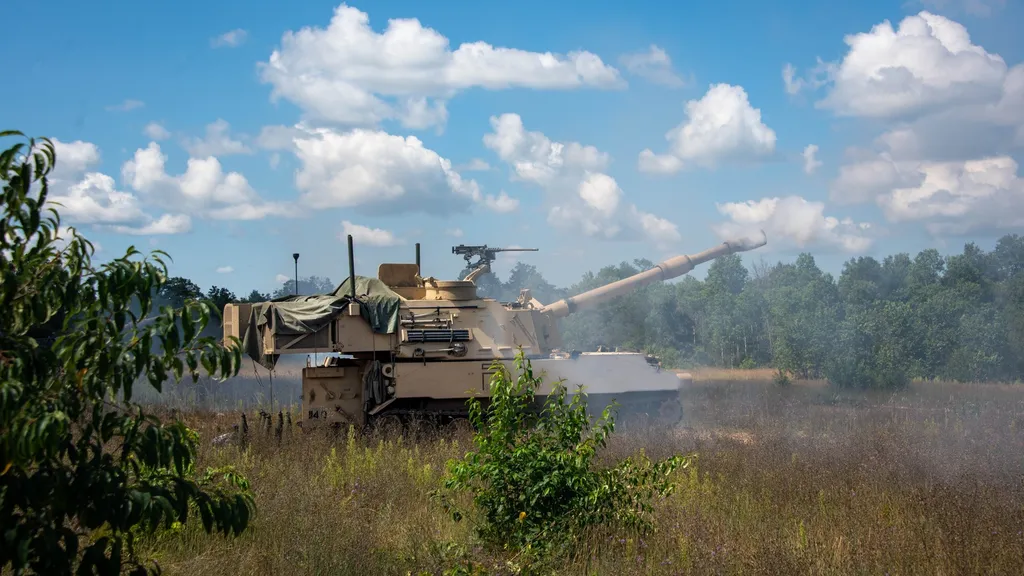
India's Dhanush Howitzer Programme Gains Momentum with New Order
The Indian Army's artillery capabilities are set to receive a significant boost with the expected signing of a contract for an additional 300 Dhanush towed howitzers before March 2027. The Defence Acquisition Council (DAC), chaired by the Defence Minister, has already cleared the procurement, paving the way for the contract to move forward through standard commercial negotiations and price finalisation with Advanced Weapons and Equipment India Limited (AWEIL).
The Dhanush howitzer programme, which was initiated in 2019, has made significant progress in recent years. The original contract for 114 units of the 155mm/45-calibre gun is nearing completion, with the Indian Army expecting delivery of its final batch by the end of 2026. The Army has already inducted four artillery regiments under this first order, with two more expected to be inducted soon.
The Dhanush programme has faced its share of challenges, including supply chain bottlenecks and quality assurance setbacks. However, AWEIL has since stabilised its assembly lines and brought production standards in line with the military's requirements. Today, the manufacturing process achieves an impressive 80 percent indigenous component rate, with each gun costing approximately ₹14 crore.
The new procurement of 300 additional guns is intended to equip 15 newly established artillery regiments, with each regiment typically comprising 18 howitzers. This would bring the total Dhanush inventory to over 400 guns, forming the backbone of the Army's 155mm artillery fleet. The new units will be distributed across key formations along the Line of Actual Control and the western border.
The Dhanush howitzer is a significant upgrade over its predecessor, the Swedish Bofors FH-77B. The Indian design has substantially reworked the original gun into a 45-calibre platform, which provides a longer barrel and increased muzzle velocity and range. The gun's strike radius is up to 38 km, and it features modern digital enhancements, including an inertial navigation system, GPS-based auto-laying, and an auxiliary power unit enabling limited self-movement without a towing vehicle.
The transformation of the Dhanush programme from a domestically manufactured, heavily modernised gun has earned it the popular nickname as the "desi Bofors" - a homegrown descendant of a system once at the centre of one of India's most notorious defence controversies.
A 300-gun repeat order carries significance well beyond the hardware itself. It would stabilise production for AWEIL, deepen India's domestic gun-making ecosystem, and give the Army a credible mass-induction path while the more advanced Advanced Towed Artillery Gun System (ATAGS) continues scaling into service. In broader force-structure terms, the order supports the Army's mediumisation drive, intended to phase out vintage and smaller-calibre artillery and consolidate more of the artillery regiment around a common 155mm gun family.
Production is centred at AWEIL's facility in Ambajogai, Maharashtra, which has ramped up output and been delivering guns ahead of schedule while sourcing over 80 percent of components locally under the Atmanirbhar Bharat push. A follow-on order of this size gives that production line multi-year visibility, supporting continued investment in tooling, workforce, and the broader domestic supply chain that has grown around the programme.
Key Takeaways
- The Indian Army is expected to sign a contract for an additional 300 Dhanush towed howitzers before March 2027.
- The new procurement is intended to equip 15 newly established artillery regiments, bringing the total Dhanush inventory to over 400 guns.
- The Dhanush howitzer features modern digital enhancements, including an inertial navigation system, GPS-based auto-laying, and an auxiliary power unit enabling limited self-movement without a towing vehicle.
- The order would stabilise production for AWEIL, deepen India's domestic gun-making ecosystem, and give the Army a credible mass-induction path.
- The production line at AWEIL's facility in Ambajogai, Maharashtra, would receive multi-year visibility, supporting continued investment in tooling, workforce, and the broader domestic supply chain.
Based on reporting from the original source. See our Copyright Policy for details.