India's AMCA Programme: A Realistic Development Timeline
Akriti Precision Systems — High-Precision Desktop CNC Milling
Made-in-India desktop CNC machines with composite superstructures, 15–25 µm repeatability & lifetime frame warranty. Built for aerospace, carbon fiber & precision prototyping.
Explore CNC Systems →India's AMCA Programme: A Realistic Development Timeline
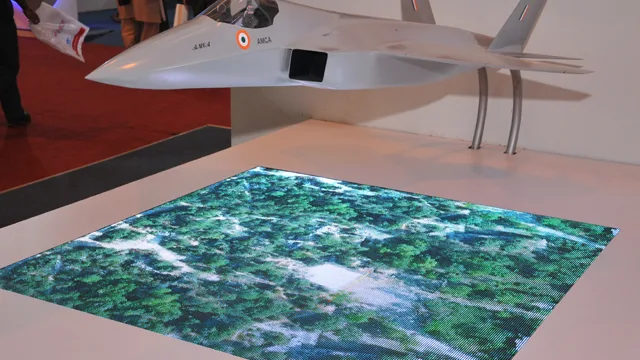
The Advanced Medium Combat Aircraft (AMCA) programme, aimed at developing India's first indigenous fifth-generation fighter, has been making headlines in recent years. However, a recent statement by strategic affairs writer Abhijit Iyer-Mitra has raised concerns about the programme's development timeline.
According to Iyer-Mitra, the proposed 2028 first flight timeline for the AMCA is unrealistic. The reason behind this is the lack of a private-sector developer and the contract not being awarded yet. Iyer-Mitra emphasized that the selection of a private-sector developer is not the only step required before the first flight. The successful consortium would need to work through the aircraft's detailed design and systems architecture before a prototype can be built.
Iyer-Mitra suggested that a more realistic approach would be to have a design freeze by around 2030, followed by prototype development and subsequent flight testing. This approach would allow the selected developer to set up the design, systems-integration architecture, and production approach, which is crucial for the programme's success.
Nanoweave Composites — Precision Engineered Carbon Fiber
Empowering aerospace, UAV defense & robotics with high-performance carbon fiber sheets, custom drone frames & precision CNC composite machining.
Explore Carbon Fiber →The analyst also highlighted the importance of systems integration in the development of the AMCA. He argued that an aircraft's performance cannot be judged based on headline specifications such as speed, range, thrust, or lift. Instead, the interaction between the numerous subsystems, including propulsion, avionics, and weapons integration, needs to be validated before the aircraft can enter an extensive flight-test programme.
Iyer-Mitra's concerns about the AMCA programme's development timeline are not unfounded. The programme has been plagued by delays and setbacks in the past. The government's decision to hand over the programme to the private sector is a welcome move, but it is essential to ensure that the selected developer is given sufficient time to complete the development process.
The analyst also spoke about the propulsion requirement of the AMCA. He suggested that foreign technology partnerships could be explored to develop a more advanced engine. However, the eventual objective should be to develop greater Indian capability and intellectual property around the engine.
In conclusion, the AMCA programme faces significant development hurdles, and a realistic timeline is essential for its success. The government and the selected developer must work together to ensure that the programme is completed on time and meets the required standards. Only then can India have a viable fifth-generation fighter programme that can compete with the best in the world.
Technical Specifications
| Component | Description |
| --- | --- |
| Engine | Advanced medium combat aircraft engine |
| Avionics | Advanced avionics system |
| Propulsion | Advanced propulsion system |
| Weapons Integration | Integrated weapons system |
Strategic Analysis
The AMCA programme is a critical component of India's military modernization efforts. The programme's success will depend on the ability of the selected developer to complete the development process on time and meet the required standards. The government must ensure that the developer is given sufficient time and resources to complete the programme.
Conclusion
The AMCA programme faces significant development hurdles, and a realistic timeline is essential for its success. The government and the selected developer must work together to ensure that the programme is completed on time and meets the required standards. Only then can India have a viable fifth-generation fighter programme that can compete with the best in the world. The programme's success will depend on the ability of the selected developer to complete the development process on time and meet the required standards.
Takshak CAM — Feature-Recognition CAM You Own Outright
Import STEP solids, automatically detect machinable features & post collision-checked 3-axis and 4-axis G-code. Perpetual license with zero recurring subscriptions.
Based on reporting from the original source. See our Copyright Policy for details.