India's AMCA Mk2 Fighter Jet Hinges on Crucial Deadline for Indigenous Engine Partnership
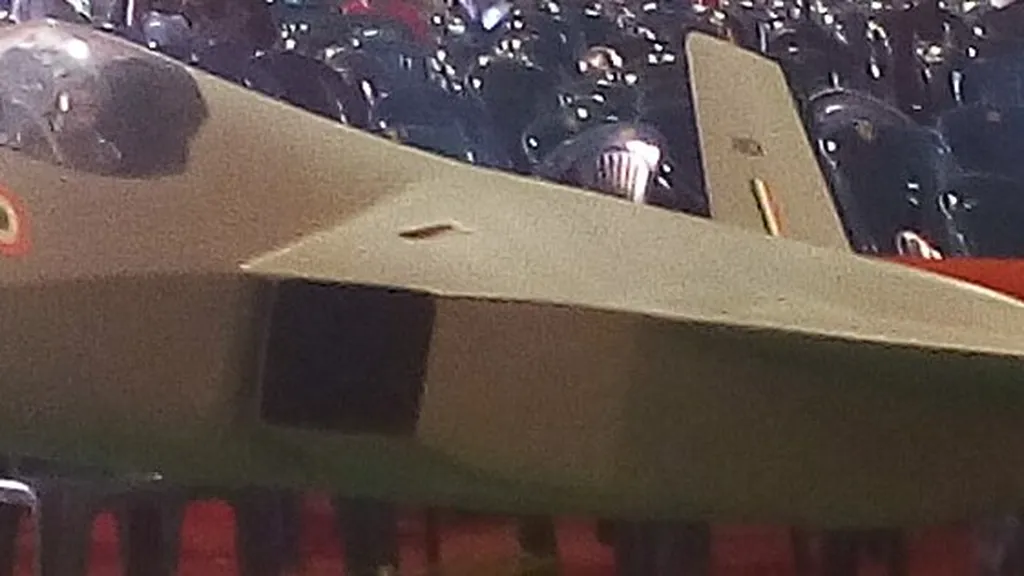
India's ambitious AMCA Mk2 fighter jet project is on a collision course with a crucial deadline for its indigenous 120kN-class fighter engine. The clock is ticking for the Indian government to choose a foreign partner for the engine, with Rolls-Royce and Safran vying for the contract. The stakes are high, with both companies offering full technology transfer and complete IP ownership.
The AMCA Mk2 project is a game-changer for India's aviation industry, with the country aspiring to become a major player in the global aerospace market. The project's 2036 deadline is ambitious, but achievable, if the government can finalize the partnership with a foreign company by the end of 2026. Rolls-Royce's final proposal outlines a tight timeline, with testing of the engine's core components set to begin by 2030, paving the way for the engine's maiden flight in 2034 and full-scale production by 2036.
The decision to choose a foreign partner for the engine is not taken lightly. Both Rolls-Royce and Safran have submitted cost estimates for the 120kN engine project that could exceed $5 billion, making it one of the most expensive and critical indigenous aviation programmes in Indian history. The negotiation process is inherently complex, covering technology transfer terms, IP ownership, cost-sharing, and industrial workshare.
The Indian government is keenly aware of the importance of meeting the 2036 deadline. In February 2026, the government launched the National Aero Engine Mission, aimed at coordinating India's industry, academic institutions, and government laboratories toward long-term indigenous jet engine production. Prime Minister Modi's vision for India's aviation industry is clear: India's own fighter aircraft must have an Indian jet engine.
While India's indigenous work on materials for a 120kN-class engine is progressing, it operates in a lower thrust class and on a slower maturation curve than what the AMCA Mk2 requires. The government's own urgency in launching the National Aero Engine Mission points to the same conclusion: an end-2026 signing is not a nice-to-have, it's the load-bearing assumption underneath the entire 2036 AMCA Mk2 service-entry target.
The clock is ticking, and the decision will have far-reaching implications for India's aviation industry and its ability to meet the AMCA Mk2's ambitious 2036 target. The Indian government must make a decision quickly, or risk cascading delays across a decade-long development chain.
A Critical Partnership
The partnership with a foreign company is critical to the success of the AMCA Mk2 project. Rolls-Royce and Safran are the two finalists for the contract, and both companies have submitted cost estimates for the 120kN engine project that could exceed $5 billion.
A Tight Timeline
Rolls-Royce's final proposal outlines a tight timeline, with testing of the engine's core components set to begin by 2030, paving the way for the engine's maiden flight in 2034 and full-scale production by 2036. The stakes are high, with both Rolls-Royce and Safran offering full technology transfer and complete IP ownership.
A National Mission
The Indian government is keenly aware of the importance of meeting the 2036 deadline. In February 2026, the government launched the National Aero Engine Mission, aimed at coordinating India's industry, academic institutions, and government laboratories toward long-term indigenous jet engine production.
A Vision for India's Aviation Industry
Prime Minister Modi's vision for India's aviation industry is clear: India's own fighter aircraft must have an Indian jet engine. The government's own urgency in launching the National Aero Engine Mission points to the same conclusion: an end-2026 signing is not a nice-to-have, it's the load-bearing assumption underneath the entire 2036 AMCA Mk2 service-entry target.
Key Takeaways
- The Indian government must finalize the partnership with a foreign company by the end of 2026 to meet the 2036 deadline.
- Rolls-Royce and Safran are the two finalists for the contract, with both companies offering full technology transfer and complete IP ownership.
- The partnership is critical to the success of the AMCA Mk2 project, with the stakes being high and the timeline being tight.
- The Indian government is keenly aware of the importance of meeting the 2036 deadline, with the launch of the National Aero Engine Mission in February 2026.
- Prime Minister Modi's vision for India's aviation industry is clear: India's own fighter aircraft must have an Indian jet engine.
Based on reporting from the original source. See our Copyright Policy for details.