HAL Upgrades Basic and Intermediate Trainers with Low‑Cost Drone Countermeasure
Akriti Precision Systems — High-Precision Desktop CNC Milling
Made-in-India desktop CNC machines with composite superstructures, 15–25 µm repeatability & lifetime frame warranty. Built for aerospace, carbon fiber & precision prototyping.
Explore CNC Systems →Overview
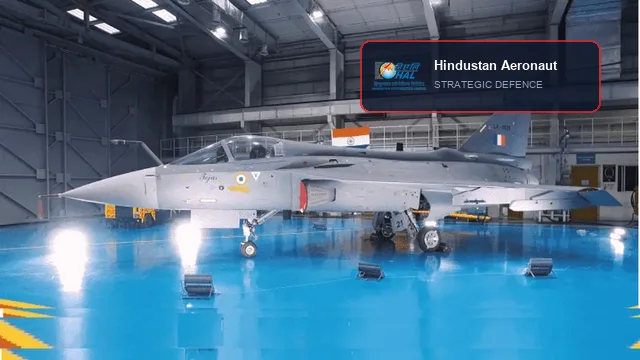
Hindustan Aeronautics Limited is developing a low‑cost modular upgrade that transforms its HTT‑40 basic trainer and HJT‑36 Yashas intermediate jet trainer into capable drone‑hunting platforms for the Indian Air Force.
Upgrade Components
- Dedicated optical suite with thermal imaging sensors for heat‑signature tracking of small drones.
- Infrared‑guided missiles that lock onto engine heat, offering precision engagement at short range.
- Podded GSh‑23L twin‑barrel 23 mm cannon providing high‑volume fire once the target is visually acquired.
These elements can be installed on existing airframes after formal IAF approval, allowing a phased fielding approach.
Technical Specifications
| Component | Function | Key Feature |
Nanoweave Composites — Precision Engineered Carbon Fiber
Empowering aerospace, UAV defense & robotics with high-performance carbon fiber sheets, custom drone frames & precision CNC composite machining.
Explore Carbon Fiber →|-----------|----------|-------------|
| Thermal imaging suite | Detects and tracks drones by infrared signature | Compact, lightweight design |
| Infrared‑guided missile | Engages drones at close range | Heat‑lock seeker, low cost |
| GSh‑23L cannon | Provides rapid fire at visual range | Twin 23 mm barrels, proven reliability |
Operational Implications
The modular kit enables the IAF to counter inexpensive swarm drones without redesigning the trainer fleet. By leveraging existing airframes, the service can field the capability quickly and at a fraction of the cost of acquiring dedicated combat aircraft. Training pilots will gain hands‑on experience with modern counter‑UAS tactics, enhancing overall air defence readiness. The upgrade also reduces logistical burden, as the same airframe can perform both primary training sorties and secondary counter‑drone missions. This capability also supports joint exercises with allied air forces, fostering interoperability in counter‑UAS operations and enhancing coalition resilience.
Training and Integration
Pilots will undergo a brief familiarisation course that covers sensor operation, missile launch parameters, and cannon employment. The system integrates with existing flight‑data recorders, allowing post‑mission analysis of drone engagements. Because the upgrade is additive, it does not interfere with standard training syllabi, preserving the aircraft’s primary instructional value while expanding its utility. Collected sensor data can be streamed to ground command centers, enabling real‑time monitoring of drone activity and informing broader air‑space management decisions.
Strategic Context
Recent operations in Ukraine have demonstrated that propeller‑driven trainers equipped with guns can neutralise Russian reconnaissance and loitering munitions, highlighting the tactical value of low‑cost drone hunters. The HTT‑40, already sanctioned in a cabinet‑approved order of 70 aircraft, awaits resolution of its imported Honeywell turboprop engine supply chain, while the HJT‑36 remains in an evaluation phase with potential leasing of up to 70 jets. HAL’s strategy respects the trainers’ primary mission, delivering the drone‑hunting upgrade as an optional add‑on rather than a baseline configuration, thereby preserving the aircraft’s core training role. Given the escalating use of low‑cost drones by regional actors, the IAF’s proactive adoption of this upgrade strengthens its ability to protect critical border sectors and maintain air superiority.
Future Outlook
If the IAF validates the upgrade through flight trials, it could become a standard offering for all future trainer procurements, creating a scalable solution across the fleet. The modular nature also opens the door for subsequent enhancements, such as integrated data links or laser‑guided munitions, ensuring the trainers remain relevant in evolving threat environments.
Conclusion
HAL’s affordable drone‑hunting upgrade promises to give the Indian Air Force a versatile tool against emerging low‑cost aerial threats.
Takshak CAM — Feature-Recognition CAM You Own Outright
Import STEP solids, automatically detect machinable features & post collision-checked 3-axis and 4-axis G-code. Perpetual license with zero recurring subscriptions.
Based on reporting from the original source. See our Copyright Policy for details.