French Sixth-Gen Fighter Strategy: A Potential Game-Changer for India's Next-Gen Fighter Programme
The recent developments in Europe's Future Combat Air System programme have created a unique opportunity for India's next-generation fighter programme. As France reassesses its sixth-generation fighter strategy, it is clear that the country is prioritizing sovereign control over its next-gen fighter. This shift is driven by concerns over dependence on foreign technologies and a desire to maintain an independent nuclear deterrent.
The French Air and Space Force has been communicating a demanding set of operational requirements to Dassault Aviation for a future sixth-generation fighter. These requirements reflect France's unique military posture, particularly its aircraft-carrier operations and desire to conduct high-intensity operations without depending on another country for critical combat capabilities.
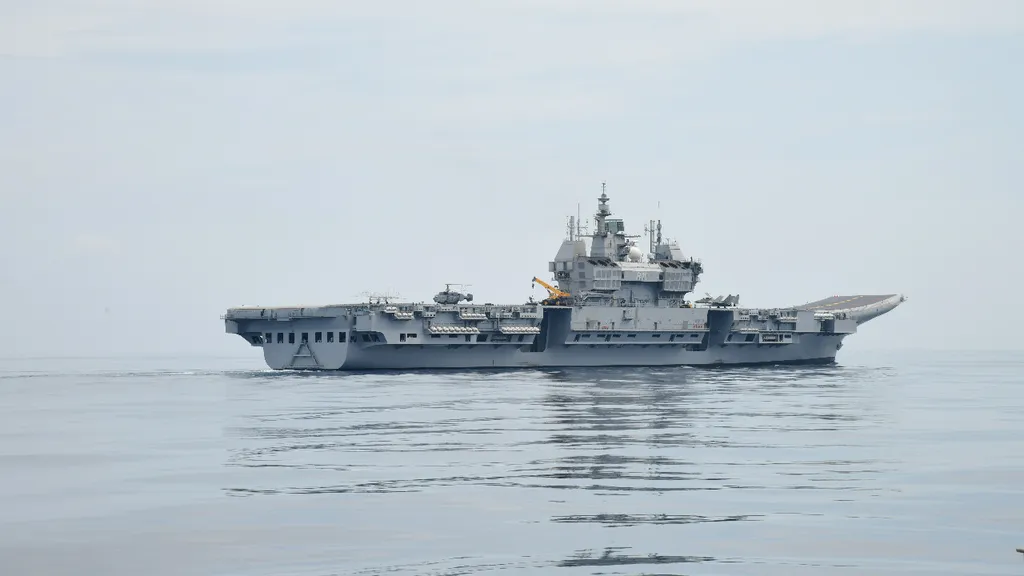
The development of the France Libre aircraft carrier, a 78,000-tonne nuclear-powered vessel equipped with electromagnetic aircraft launch systems, has imposed significant design constraints on the future fighter. The aircraft must be capable of operating from the carrier, with a configuration compatible with catapult launches and arrested recoveries. This means that the French aircraft cannot simply be a land-based stealth fighter adapted for naval use at a later stage.
French planning also places considerable emphasis on a system-of-systems architecture. The future fighter would act as a command node for unmanned combat aircraft and Remote Carriers while exchanging information through a secure combat cloud. Such an architecture would allow the manned fighter to remain outside the most dangerous portions of an enemy's air-defence network while deploying autonomous systems for reconnaissance, electronic warfare, deception, and other missions.
For India, the potentially most attractive element would be the French emphasis on operational sovereignty. Paris has historically resisted dependence on foreign-controlled technologies for critical defence capabilities. A French sixth-generation programme could therefore offer India a fundamentally different proposition from simply purchasing a finished aircraft: participation in selected technologies, systems integration, propulsion, sensors, electronic warfare, and unmanned teaming.
There is already a foundation for such cooperation. India and France are expanding their fighter relationship through the proposed 114-aircraft Rafale programme, while French companies are simultaneously discussing deeper industrial cooperation with Indian firms. A future sixth-generation partnership could therefore emerge from an aerospace relationship that is already becoming considerably deeper.
However, India should not assume that France will automatically offer full participation in its most sensitive technologies. Nuclear deterrence systems, sovereign mission software, advanced electronic warfare, and other critical technologies would almost certainly remain subject to stringent French controls.
The strategic opportunity nevertheless deserves examination. If France develops a nationally controlled successor to the NGF and India joins early enough, New Delhi could potentially avoid becoming merely a late customer of a sixth-generation fighter. Instead, India could seek participation in the development of technologies that complement its own AMCA programme.
As the clock ticks towards the 2026 deadline for countries to join the Global Combat Air Programme, India must carefully consider its options. A sixth-generation partnership with France could be a game-changer for the country's next-gen fighter programme, offering access to cutting-edge technologies and systems integration. However, it is essential to approach this opportunity with a clear understanding of the potential risks and benefits.
A New Era for India's Next-Gen Fighter Programme?
The French Sixth-Gen Fighter Strategy: A Potential Game-Changer
India's Next-Gen Fighter Programme: A Strategic Opportunity
The Clock is Ticking: Will India Seize the Opportunity?
Key Takeaways
- India could benefit from France's emphasis on operational sovereignty and access to cutting-edge technologies.
- A sixth-generation partnership with France could emerge from the existing Rafale programme and deepen industrial cooperation between French and Indian firms.
- India should not assume full participation in sensitive technologies and must carefully consider its options before making a decision.
Based on reporting from the original source. See our Copyright Policy for details.