Brazil's Fighter Force Evolution: A Strategic Shift in Fleet Segmentation
A Strategic Shift in Fleet Segmentation
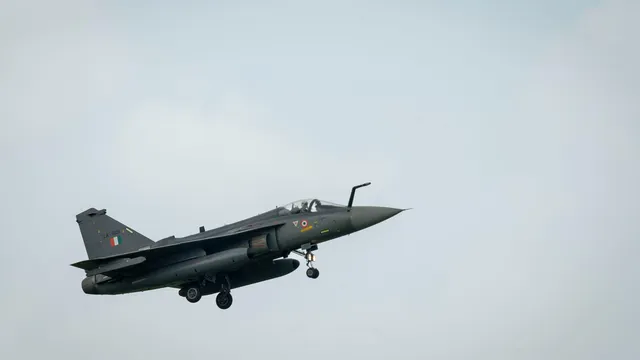
Brazil's military aviation landscape is undergoing a significant transformation, with the country's interest in India's Tejas Mk1A fighter jet sparking intense debate. At first glance, it may seem counterintuitive for Brazil to pursue a new fighter when it already operates and plans to expand its Saab Gripen E fleet. However, a closer examination reveals that this move is not about replacing the Gripen E, but rather about creating a strategic balance in its fighter force.
The Retirement of the F-5 Fleet
Brazil's ageing F-5 fleet is set to retire, leaving a void in its lower-tier capabilities. The Tejas Mk1A offers a cost-effective solution to fill this gap, providing a modern 4.5-generation fighter that can perform a range of missions. This aircraft is not a direct substitute for the Gripen E in terms of size or overall capability, but rather a complementary asset that can streamline Brazil's lower-tier requirements.
Fleet Segmentation: A Key to Success
The concept of fleet segmentation is crucial in understanding Brazil's interest in the Tejas Mk1A. By dividing its fighter force into high-end and lower-cost segments, Brazil can maintain its advanced capabilities while optimizing its resources. The Gripen E can remain the high-end fighter, handling missions that require sophisticated sensors, electronic warfare systems, and advanced combat capabilities. The Tejas Mk1A, on the other hand, can become the more economical workhorse, replacing the F-5 fleet and providing a modern capability for routine air defence, training, and secondary strike missions.
Industrial Cooperation: A Win-Win Situation
The proposed India-Brazil defence arrangement adds another layer to the equation. Reports suggest that Brazil could acquire Tejas Mk1A fighters while India selects Embraer's C-390 Millennium for its Medium Transport Aircraft requirement. This defence-industrial arrangement could create benefits for both sides, with Brazil gaining a modern fighter capability while India gains access to a modern medium transport aircraft. The idea is not without complications, however, as introducing the Tejas would create another fighter logistics chain alongside the Gripen.
The C-390 Connection: A Key to Industrial Cooperation
The proposed C-390 connection makes the situation even more interesting. Brazil is the aircraft's launch operator and has a major industrial stake in expanding its global production and customer base. India, meanwhile, has a requirement for medium transport aircraft. A defence-industrial arrangement that links C-390 procurement with Tejas exports could therefore create benefits for both sides beyond the individual platforms. This is a story of industrial cooperation, where both countries can gain from a reciprocal arrangement that strengthens their defence relationships.
Conclusion
Brazil's reported interest in the Tejas Mk1A is best understood as a fleet-architecture decision rather than a fighter-versus-fighter comparison. The Gripen E can provide the sophisticated spearhead, while the Tejas could potentially fill the lower-cost tier left behind by the retirement of the F-5. This strategic shift in fleet segmentation is a key to Brazil's military aviation evolution, allowing the country to maintain its advanced capabilities while streamlining its lower-tier requirements.
Key Takeaways
- Brazil's interest in the Tejas Mk1A is not about replacing its existing Gripen E fleet, but rather about creating a strategic balance in its fighter force.
- The Tejas Mk1A offers a cost-effective solution to fill the gap left by the retirement of the F-5 fleet, providing a modern 4.5-generation fighter for routine air defence, training, and secondary strike missions.
- The proposed India-Brazil defence arrangement could create benefits for both sides, with Brazil gaining a modern fighter capability while India gains access to a modern medium transport aircraft.
- The C-390 connection is a key to industrial cooperation, where both countries can gain from a reciprocal arrangement that strengthens their defence relationships.
- Brazil's military aviation landscape is undergoing a significant transformation, with the country's interest in the Tejas Mk1A sparking a new era of fleet segmentation and industrial cooperation.
Based on reporting from the original source. See our Copyright Policy for details.