BrahMos Belt: A Game-Changing Defense Strategy in the Indo-Pacific
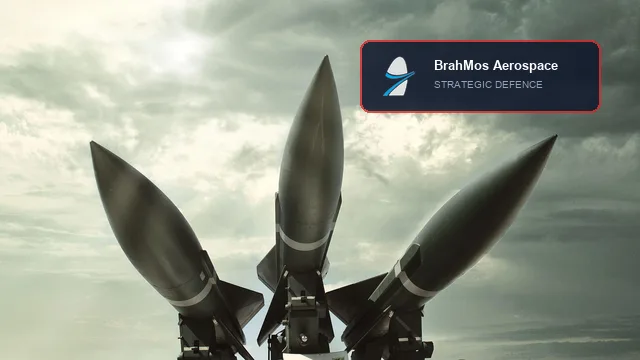
India Defence & Aerospace Indigenisation Summit 2026
Accelerating private defense manufacturing, UAV innovation, and strategic aerospace corridors.
Explore Strategic Intel →The Rise of the BrahMos Belt: A Game-Changer in the Indo-Pacific
The Indo-Pacific region has been witnessing a significant shift in the balance of power, with several countries acquiring the BrahMos missile, a joint Indo-Russian venture. The missile's unique characteristics, including its low cost per unit, increasing international sales, and advanced capabilities, have made it an attractive option for countries looking to counter China's growing influence in the region.
A Strategic Move by India?
The BrahMos missile's Mach 2.8 speed, low radar cross-section, and wave-skimming capabilities make it a formidable opponent. Export versions have a maximum range of about 290 km, while India possesses further improved missiles. The Philippines was the first country to buy the missile, signing a contract in 2022, with deliveries beginning in 2024. Vietnam and Indonesia are also likely to acquire the missile, with Thailand and Malaysia considering the purchase.
The Impact on the Taiwan Strait
The BrahMos Belt, as it is being referred to, has significant implications for the Taiwan Strait. Analysts believe that the presence of shore-based batteries in the Philippines, Vietnam, and Indonesia will greatly complicate Chinese operations in the region without necessarily entering into any open alliances. The batteries in the Philippines are already positioned to cover critical areas in northern Luzon in case of a Taiwan contingency.
India Defence & Aerospace Indigenisation Summit 2026
Accelerating private defense manufacturing, UAV innovation, and strategic aerospace corridors.
Explore Strategic Intel →A Challenge to China's Naval Supremacy
The BrahMos missile's coverage capabilities, when combined with other anti-ship systems and missiles, will greatly challenge Chinese naval operations in the South China Sea and adjacent waters. However, how much this will affect Beijing's plans to establish naval supremacy depends on how many batteries will be deployed in these countries, how prepared their crews will be, how much targeting information will be available to them during a contingency, and how willing they will be to directly oppose China.
India's One China Policy
India does not sell defense equipment to Taiwan due to its One China policy, as well as to not offend Russia, despite growing economic and technological ties with the ROC. This policy has significant implications for the region, as it limits India's ability to provide military assistance to Taiwan.
The Way Forward
The BrahMos Belt is a game-changing defense strategy in the Indo-Pacific. It has the potential to challenge China's naval supremacy and complicate its operations in the region. However, its success depends on several factors, including the number of batteries deployed, the preparedness of the crews, and the willingness of the countries to directly oppose China. As the region continues to evolve, one thing is clear: the BrahMos Belt is a force to be reckoned with.
Key Takeaways
- The BrahMos Belt is an informal "missile ring" formed by the presence of shore-based batteries in the Philippines, Vietnam, and Indonesia.
- The missile's low cost per unit and increasing international sales have made it an attractive option for countries looking to counter China's growing influence in the region.
- The BrahMos Belt has significant implications for the Taiwan Strait, complicating Chinese operations without necessarily entering into any open alliances.
- The success of the BrahMos Belt depends on several factors, including the number of batteries deployed, the preparedness of the crews, and the willingness of the countries to directly oppose China.
- India's One China policy limits its ability to provide military assistance to Taiwan, despite growing economic and technological ties with the ROC.
India Defence & Aerospace Indigenisation Summit 2026
Accelerating private defense manufacturing, UAV innovation, and strategic aerospace corridors.
Based on reporting from the original source. See our Copyright Policy for details.