3D Printing Takes Flight: India's Air Force Pioneers Localized Component Production
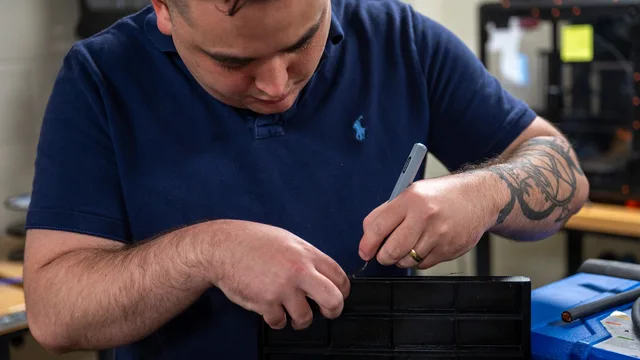
The Indian Air Force (IAF) is embracing cutting-edge technology to address a pressing challenge: maintaining its aging fleet of Russian-origin aircraft. For decades, these aircraft have been a vital part of the IAF's operational capabilities, but their age has been exacerbating the difficulties of sourcing replacement components from original equipment manufacturers (OEMs).
One of the primary concerns is the lengthy lead times and high import costs associated with obtaining spares from OEMs. This has led to a situation where the IAF is forced to wait for months, or even years, to acquire the necessary components to keep its aircraft flying. The situation is further complicated by the fact that many of these components are relatively small, but their unavailability can still keep an otherwise serviceable aircraft grounded.
To address this problem, the IAF has turned to additive-manufacturing technology, also known as 3D printing. This innovative approach allows the IAF to produce replacement components domestically, reducing its dependence on foreign supply chains and improving fleet availability. The initiative is being led by an IAF Base Repair Depot (BRD), which has been tasked with using advanced additive-manufacturing technology to produce components that would otherwise have to be sourced from OEMs.
The IAF's additive-manufacturing effort is not limited to non-critical components. The organization is also working on producing critical parts, which are essential for the safe operation of the aircraft. This requires a high degree of precision and accuracy, as well as the ability to meet stringent environmental and mechanical requirements.
The development of a controlled manufacturing and certification ecosystem is a crucial aspect of the IAF's additive-manufacturing initiative. This involves establishing clear guidelines and protocols for the production of 3D printed components, as well as ensuring that they meet the necessary standards for safety and performance.
The IAF's move is significant not only because of its potential to improve fleet availability, but also because it demonstrates the organization's commitment to innovation and self-sufficiency. By embracing additive-manufacturing technology, the IAF is taking a proactive approach to addressing the challenges of maintaining its aging fleet, and it is likely to have far-reaching benefits for the Indian military as a whole.
In the near future, the IAF plans to expand its additive-manufacturing program to include other types of components, such as those used in aircraft engines and avionics. This will require further investment in research and development, as well as the establishment of new manufacturing capabilities.
The IAF's additive-manufacturing initiative is a testament to the organization's commitment to innovation and self-sufficiency. By embracing cutting-edge technology and developing its own manufacturing capabilities, the IAF is taking a proactive approach to addressing the challenges of maintaining its aging fleet, and it is likely to have far-reaching benefits for the Indian military as a whole.
The Challenges of Maintaining an Aging Fleet
Maintaining an aging fleet of aircraft is a complex and challenging task, especially when it comes to sourcing replacement components from OEMs. The lengthy lead times and high import costs associated with obtaining spares from OEMs can be a significant obstacle to keeping aircraft flying.
The Benefits of Additive-Manufacturing Technology
Additive-manufacturing technology, also known as 3D printing, offers a number of benefits for the IAF, including improved fleet availability, reduced dependence on foreign supply chains, and the ability to produce complex components that would otherwise be difficult or impossible to manufacture.
The Development of a Controlled Manufacturing and Certification Ecosystem
The development of a controlled manufacturing and certification ecosystem is a crucial aspect of the IAF's additive-manufacturing initiative. This involves establishing clear guidelines and protocols for the production of 3D printed components, as well as ensuring that they meet the necessary standards for safety and performance.
The Future of Additive-Manufacturing Technology in the IAF
The IAF's additive-manufacturing initiative is a testament to the organization's commitment to innovation and self-sufficiency. By embracing cutting-edge technology and developing its own manufacturing capabilities, the IAF is taking a proactive approach to addressing the challenges of maintaining its aging fleet, and it is likely to have far-reaching benefits for the Indian military as a whole.
Key Takeaways
- The IAF is embracing additive-manufacturing technology to address the challenges of maintaining its aging fleet of Russian-origin aircraft.
- The initiative involves producing replacement components domestically, reducing the IAF's dependence on foreign supply chains and improving fleet availability.
- The IAF is working on developing a controlled manufacturing and certification ecosystem for additive-manufacturing technology.
- The initiative has the potential to benefit the Indian military as a whole, by promoting innovation and self-sufficiency.
Based on reporting from the original source. See our Copyright Policy for details.