Russia's 'Free' Warship: A Costly Lesson in National Security
The Bitter Taste of 'Free' Warships: A Cautionary Tale of INS Vikramaditya
The story of INS Vikramaditya, India's Soviet-era Kiev-class aircraft cruiser, is a cautionary tale that the country cannot afford to ignore. In 2004, Russia offered the Admiral Gorshkov to India essentially for free, but the deal turned out to be a costly mistake. The refit at Russia's Sevmash shipyard, coupled with the air wing and systems upgrades, cost India approximately $2 billion.
The expected delivery date was 2008, but the actual delivery was five years late. Cost overruns ballooned to over $2 billion, with Moscow demanding the full price upfront. India had already sunk $1 billion into the project, leaving it with no leverage to walk away. Then, on the transit from Russia to India, the ship broke down, with Russian engineers blaming Chinese components. Beijing denied involvement.
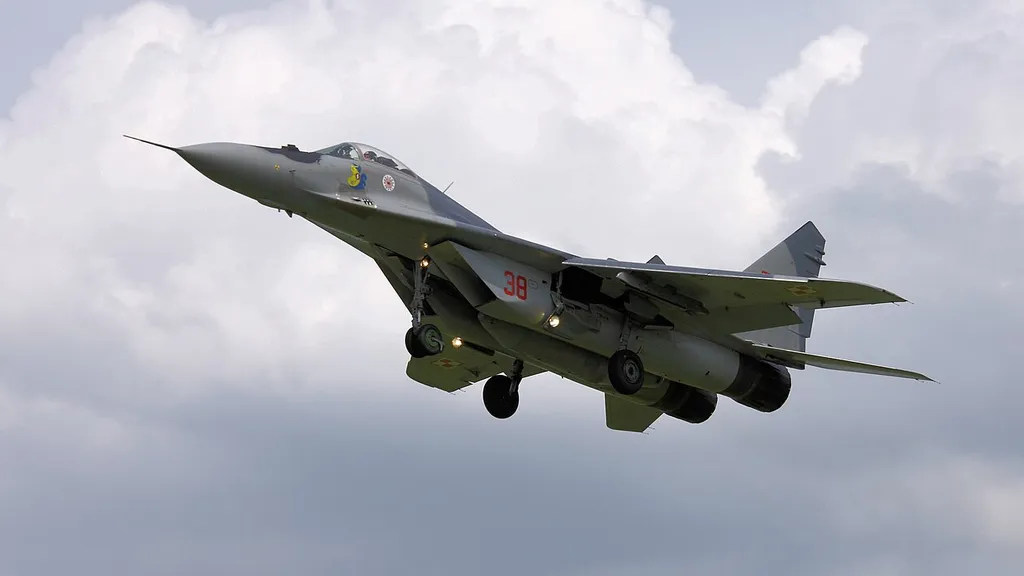
The carrier's air wing is arguably its biggest vulnerability. India procured 45 MiG-29K/KUB aircraft as part of the carrier deal, but the aircraft have been plagued by reliability issues. A 2016 Comptroller and Auditor General (CAG) report described the MiG-29K as "riddled with problems." Serviceability rates ranged between 21.30% and 47.14% during the audit period, meaning that in a best-case scenario, aircraft were fully operational less than half the required deployment time.
Of 65 RD-33MK engines accepted since induction, 40 - representing 62% - were withdrawn or rejected due to design-related deficiencies. Multiple in-flight engine failures and single-engine landings have occurred, resulting in at least five MiG-29K aircraft losses in accidents since induction.
In contrast, India's indigenous carrier INS Vikrant has been quietly racking up successes. By March 2026, Vikrant had completed 1,000 successful arrested landings with zero incidents, a safety record that validates indigenous engineering. The Indian Navy concluded MILAN 2026 aboard INS Vikrant off Visakhapatnam, with 42 ships and submarines and 29 aircraft from multiple nations participating.
But Vikrant also relies on the MiG-29K, and the proposed third carrier - IAC-2 (INS Vishal) - has still not received government sanction. The cost would likely exceed ₹50,000 crore, with a construction timeline stretching into the 2030s. As Defence Standard noted, "Vikramaditya's long-term serviceability is a function of the availability of Russian-origin spares and the condition of her ageing hull and propulsion systems. The ship is expected to remain in service into the 2030s, but sustaining her operationally will require continued investment - particularly given the strain on Russian defence-industrial capacity caused by the Ukraine conflict."
The lesson from INS Vikramaditya's story is clear: when it comes to national security, there's no such thing as a 'free' warship. The next carrier must be built at home - or not at all. The cost of a 'free' warship can be too high to bear, and the consequences can be catastrophic. India must learn from its mistakes and invest in its indigenous shipbuilding capabilities to ensure the country's national security.
Key Takeaways
- The story of INS Vikramaditya is a cautionary tale that India cannot afford to ignore.
- The refit at Russia's Sevmash shipyard, coupled with the air wing and systems upgrades, cost India approximately $2 billion.
- The carrier's air wing is its biggest vulnerability, with 45 MiG-29K/KUB aircraft plagued by reliability issues.
- INS Vikrant, India's indigenous carrier, has been quietly racking up successes, with a perfect safety record and a growing reputation as a reliable and capable warship.
- The proposed third carrier - IAC-2 (INS Vishal) - has still not received government sanction, with a cost likely to exceed ₹50,000 crore and a construction timeline stretching into the 2030s.