Revolutionising Missile Procurement: Why India's Defence Strategy Needs a Paradigm Shift
The current missile procurement strategy in India is built around buying small batches of missiles, which may seem like a straightforward approach. However, this method overlooks the complexities of sustaining an industrial ecosystem. The reality is that companies producing missiles require predictable demand to invest in production facilities, automation, and skilled workers.
This is because modern missile manufacturing is not just about producing weapons, but also about building an industrial base that can support the production of multiple components, including propulsion systems, seekers, actuators, guidance electronics, composite airframes, and warheads. If orders arrive only every few years in isolated batches, suppliers struggle to justify expanding production facilities or investing in automation.
Skilled workers migrate to other sectors, production lines become idle, and supply chains weaken. By contrast, a long-term procurement roadmap extending 15 to 20 years allows manufacturers to plan production in advance, know how many missiles will be required annually, and when replacement orders will arrive. This creates several strategic advantages.
Firstly, production lines remain active, rather than being repeatedly shut down and restarted. Restarting a missile production line is expensive and often introduces delays as suppliers are requalified, inventories rebuilt, and manufacturing processes stabilised.
Secondly, industry gains the confidence to invest in additional capacity. If manufacturers know that several thousand missiles will be required over two decades, they can justify expanding facilities, increasing automation, and strengthening domestic supply chains.
Thirdly, surge capacity becomes possible. In any future conflict, missile expenditure could be significantly higher than peacetime estimates. Countries with continuously operating production lines can rapidly increase output because the industrial base already exists. Those relying on dormant facilities face months or even years before meaningful production increases become possible.
The recent conflicts in Ukraine and the Middle East have demonstrated the importance of maintaining warm production lines. Nations with sustained industrial capacity have been far better positioned to replenish inventories than those attempting to restart dormant manufacturing programmes during wartime.
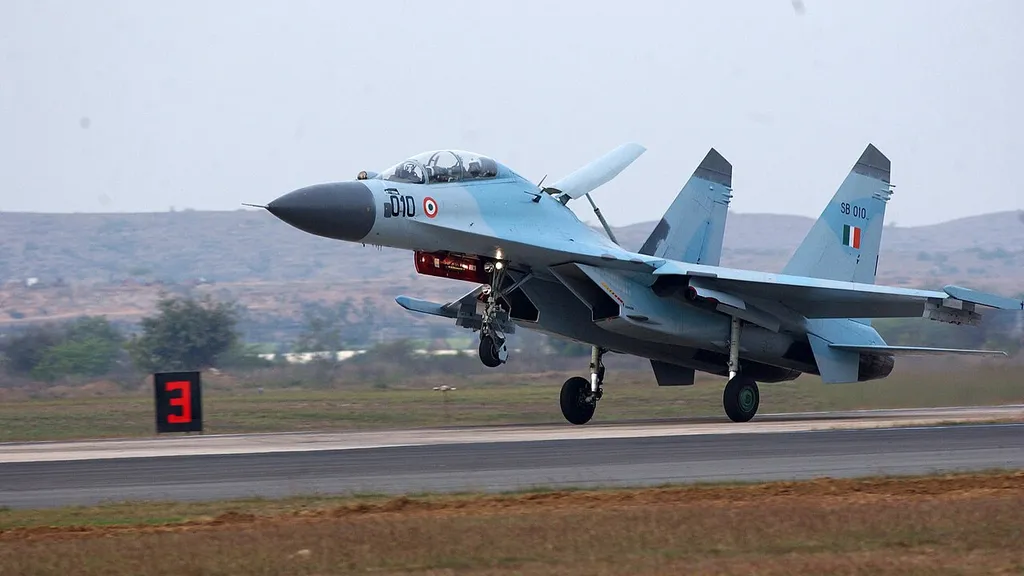
This philosophy applies equally to India's Astra missile programme. Rather than viewing procurement as a one-time order of 240 missiles, planners could adopt a lifecycle approach that aligns missile production with the operational lives of aircraft fleets. For example, the Su-30MKI, Tejas Mk1A, Tejas Mk2, and eventually the AMCA will all require continuous missile inventories throughout their service lives.
As missiles reach the end of their certified shelf life, replacement production should already be underway. This creates a rolling procurement cycle rather than periodic, disconnected purchases. Such planning also supports future upgrades. As Astra Mk2 enters service and later gives way to Astra Mk3 or subsequent variants, production can gradually transition without disrupting industrial continuity.
Older missiles approaching retirement can be replaced systematically instead of requiring large emergency acquisitions. Another advantage lies in inventory management. Air forces must maintain missiles for training, operational readiness, testing, and wartime reserves. Simply matching missile purchases to the number of aircraft ignores these broader requirements.
A combat-ready force requires multiple missile stocks, including reserves for prolonged operations. Waiting until additional Su-30MKIs receive upgrades or until Tejas Mk1A deliveries are completed before placing fresh missile orders risks creating gaps in both inventory and industrial production.
The same principle already governs aircraft procurement. India does not order fighter aircraft one squadron at a time only after existing aircraft wear out. Instead, production lines are maintained to preserve industrial capability and workforce expertise. Missiles deserve similar treatment.
Lifecycle planning should therefore include projected operational demand, scheduled replacement of ageing stocks, future aircraft inductions, technological upgrades, and planned retirement of older missile variants. Such an approach would also strengthen India's goal of defence self-reliance.
A continuously active missile industry encourages private suppliers to invest in advanced manufacturing, supports indigenous component development, and reduces dependence on emergency foreign purchases during crises. Ultimately, missile procurement should not be viewed as a series of isolated contracts driven solely by immediate operational needs.
It should be treated as a 20-year industrial and capability management programme, integrating production, sustainment, replacement, and future technology development. By adopting this paradigm shift, India can ensure that its missile procurement strategy is aligned with its defence self-reliance goals and that its industrial base remains capable of meeting the demands of future conflicts.