Lessons from Mk1A: How ADA Is Cutting Tejas Mk2 Flight Testing Time by Over 70%
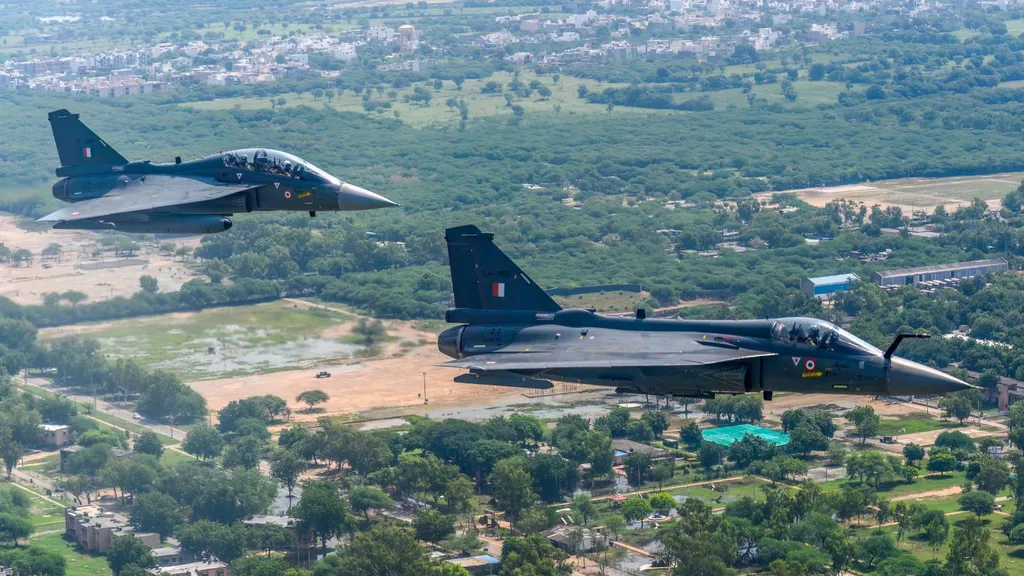
India’s Tejas Mk1 and Mk1A fighter jets took an exceptionally long road to reach operational maturity, but that long, often frustrating journey is now paying an unexpected dividend. The Aeronautical Development Agency (ADA) and the Indian Air Force have used the hard-won lessons from Tejas Mk1A’s protracted developmental trials to build a far leaner, more disciplined test plan for the upcoming Tejas Mk2, one designed to compress a flight-test process that once took nearly two decades into a four-to-five-year sprint.
Tejas Mk1’s 17-Year Testing Marathon
To understand why Mk2’s compressed timeline is such a big deal, it helps to look at what came before. The development of the Light Combat Aircraft Tejas Mk1 was a monumental but challenging endeavour for India’s aerospace sector, one that stretched across roughly 17 years of flight testing before the aircraft reached full operational maturity. That extended timeline wasn’t wasted effort, though. Those 17 years were not a waste of time, since the Tejas Mk1 and Mk1A represent genuine technological advancements in Indian aeronautical engineering, spanning fly-by-wire flight controls, radar warning receivers, and mission computers with sophisticated control laws, capabilities that simply didn’t exist in India’s indigenous aerospace toolkit before the programme began.
The cost of building all of that from scratch, though, was time. Early Tejas trials tested systems largely in isolation, validating one capability, one flight envel
Key Takeaways
- Strategic Indian defense modernization.
- Technology induction and operational readiness.