India's Air Defence Revolution: The Project Kusha Effect
India's Air Defence Revolution: The Project Kusha Effect
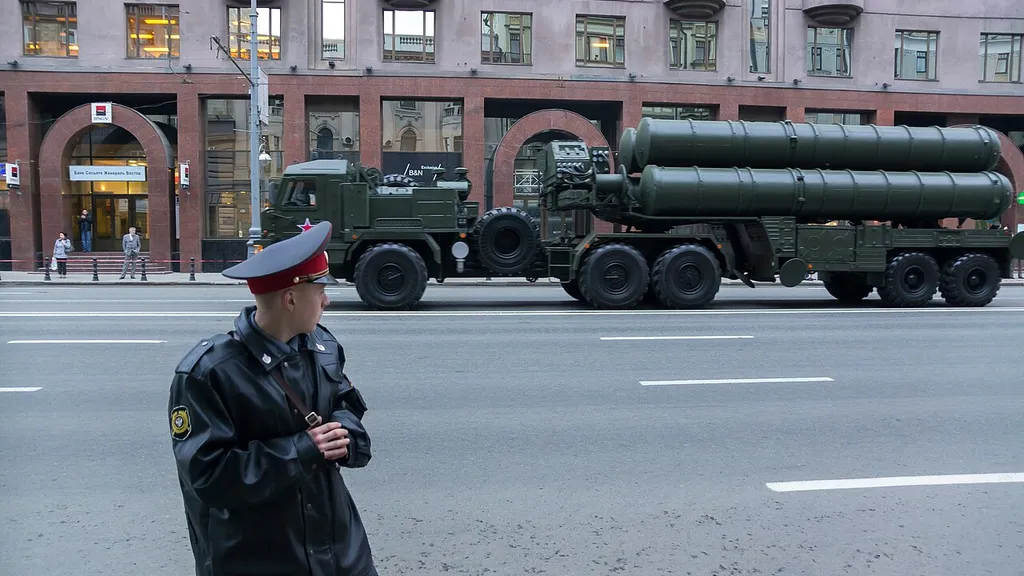
The Defence Research and Development Organisation (DRDO) has been working on a cutting-edge indigenous system, dubbed Project Kusha, to revolutionize air defence in South Asia. This Extended Range Air Defence System (ERADS) is designed to complement the existing S-400 Triumf batteries, creating a layered air defence architecture capable of engaging a wide range of aerial threats.
Project Kusha's emergence is set to alter the air balance in the region, forcing air forces across the border to reassess their mission profiles. The system's three-tier interceptor family, comprising the M1, M2, and M3 missiles, is a key feature that sets it apart from other air defence systems. The M1 interceptor is designed to engage aircraft, cruise missiles, and other aerial threats at ranges of around 150 kilometres, while the M2 extends that engagement envelope further. The longest-range interceptor, the M3, provides coverage out to approximately 350-400 kilometres, depending on target profile and engagement conditions.
The layered approach of Project Kusha increases operational resilience, allowing multiple interceptor types to engage different categories of targets based on range, altitude, and threat level. This approach is crucial in modern air campaigns, where the ability to approach targets while remaining outside the reach of enemy defences is paramount. As long-range surface-to-air missile systems become more capable, the margin between friendly and enemy airspace shrinks, making it essential for air forces to adapt to a changing operational landscape.
The continued expansion of long-range air defence systems like Project Kusha is likely to reinforce the trend of stand-off precision-guided weapons. These systems allow aircraft to launch munitions from safer distances, reducing the risk of loss and increasing the effectiveness of air operations. However, this trend also raises the complexity and cost of conducting air operations, encouraging greater investment in survivability, stand-off capabilities, networking, electronic warfare, and intelligence.
As both offensive and defensive capabilities become more networked, maintaining situational awareness and resilient communications becomes just as important as the performance of individual aircraft or missile systems. Electronic warfare has become an essential element of modern military operations, with armed forces increasingly employing electronic support, electronic attack, and electronic protection measures to improve survivability and maintain operational effectiveness.
The gradual deployment of Project Kusha underscores the continuing evolution of air power in South Asia. Long-range integrated air defence systems are becoming central to national security strategies, shaping how air forces plan missions, protect critical assets, and allocate resources. Rather than rendering offensive air operations obsolete, such systems raise the complexity and cost of conducting them, encouraging greater investment in survivability, stand-off capabilities, networking, electronic warfare, and intelligence.
A Milestone in India's Defence Industrial Ambitions
Project Kusha represents an important milestone in India's defence industrial ambitions. Developed domestically, the programme aims to reduce dependence on imported long-range air defence systems while strengthening India's indigenous missile development ecosystem. It is expected to complement other indigenous programmes, including Akash, MR-SAM, XRSAM-related technologies, ballistic missile defence initiatives, and advanced radar development.
The Future of Air Warfare
The emergence of Project Kusha is set to reshape the air defence landscape in South Asia, raising the stakes for regional air forces and redefining the art of modern air warfare. As air forces across the border reassess their mission profiles, Project Kusha's emergence will reinforce the trend of stand-off precision-guided weapons and network-centric concepts. The future of air warfare is shifting towards more complex and resilient operations, where electronic warfare and situational awareness play a crucial role.
Key Takeaways
- Project Kusha, India's Extended Range Air Defence System, is a cutting-edge indigenous system designed to complement the existing S-400 Triumf batteries.
- The system's three-tier interceptor family, comprising the M1, M2, and M3 missiles, is a key feature that sets it apart from other air defence systems.
- The layered approach of Project Kusha increases operational resilience, allowing multiple interceptor types to engage different categories of targets based on range, altitude, and threat level.
- The emergence of Project Kusha is set to reshape the air defence landscape in South Asia, raising the stakes for regional air forces and redefining the art of modern air warfare.